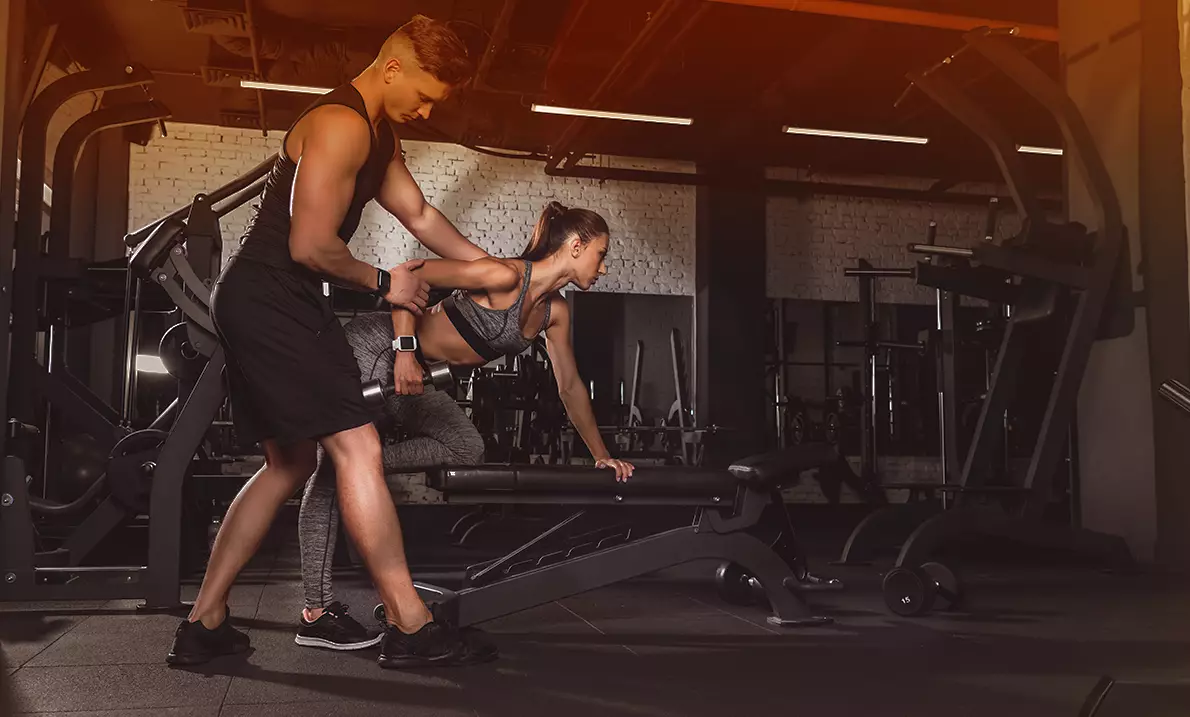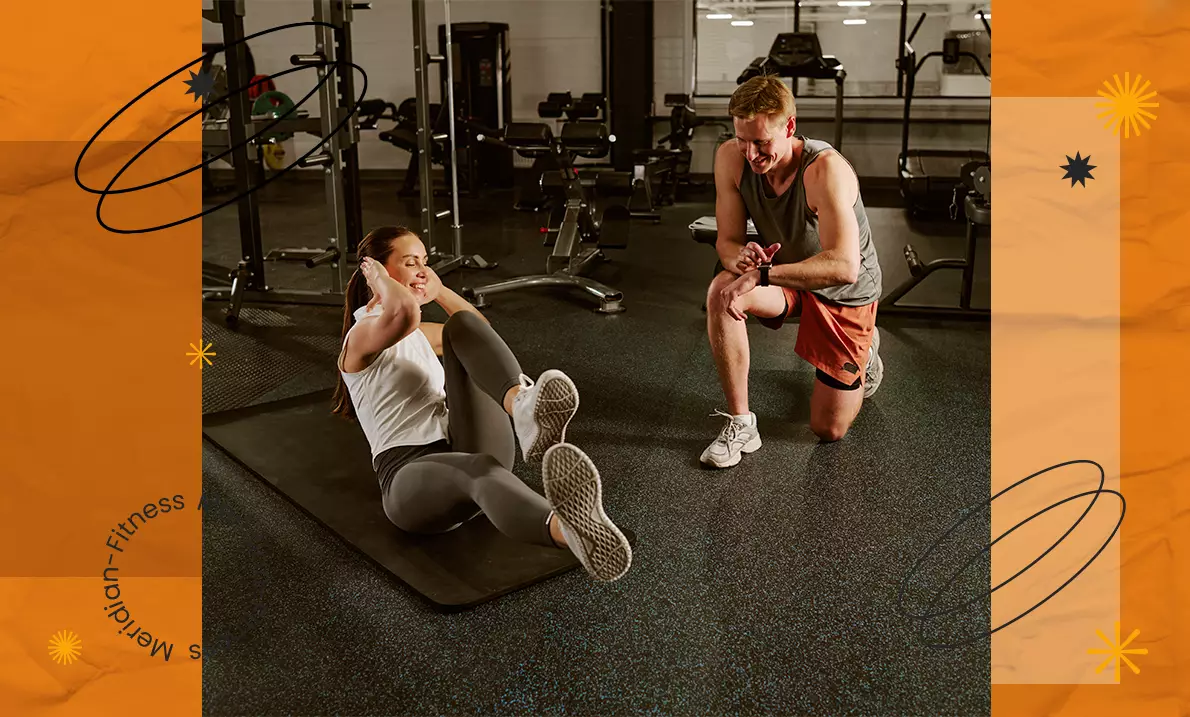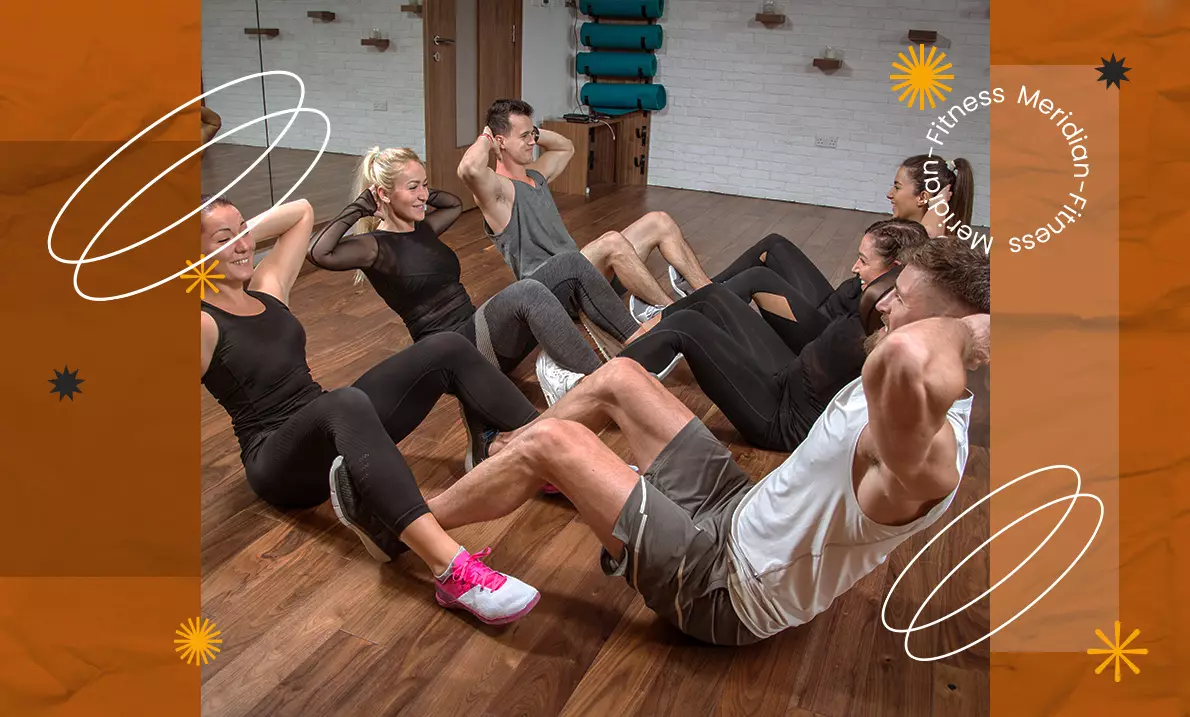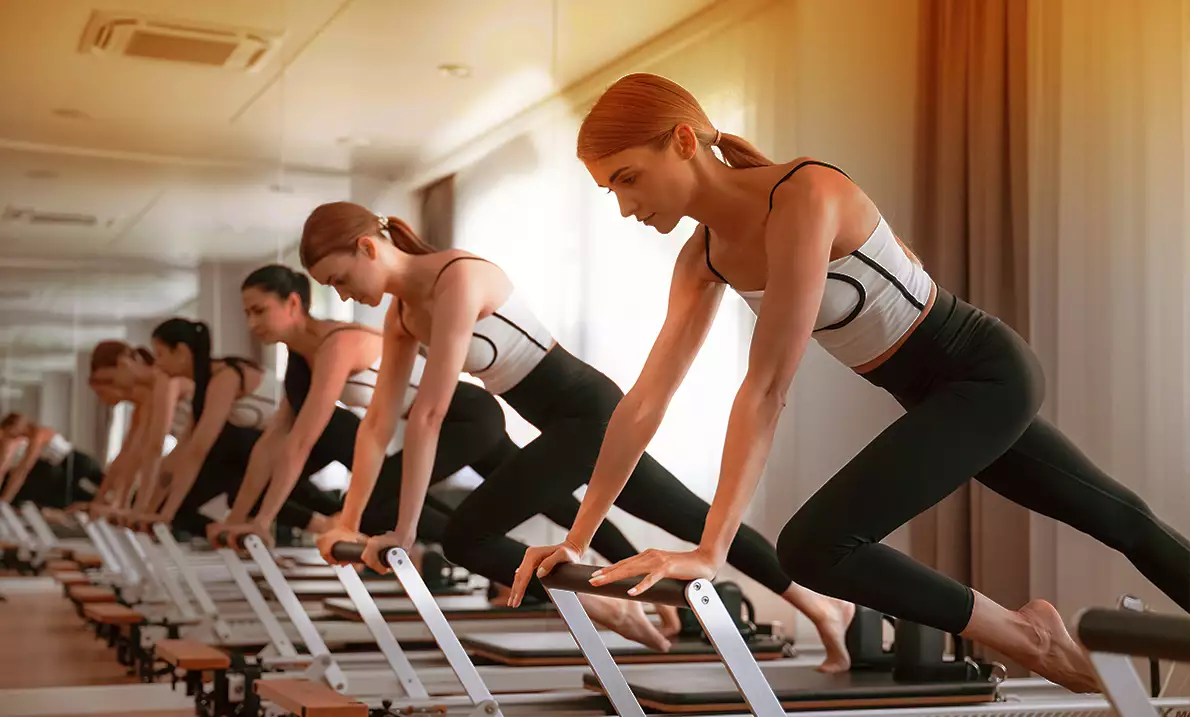
Someone searching for Pilates near me in Greenwich after turning 40 may want to improve their strength, flexibility, and mobility without jumping straight into high-impact exercise. Pilates can be a practical starting point, even if you haven’t exercised regularly in years. You don’t need to be flexible or have prior experience to get started. What matters is finding a class that matches your current ability and building up at a manageable pace.
We offer several Pilates formats at our Greenwich gym, including Mat Pilates, Pilates on the Ball, Yogilates Fusion and Aerial Yogalates. Each has a different focus, so you can consider what feels right for your experience and fitness goals. If you are 40, 50, or 60 and thinking about returning to exercise, we want you to feel informed about what to expect before your first session.
Can You Start Pilates After 40 If You Have Never Done It Before?
Yes, you can start Pilates after 40 without previous experience. Your current fitness level, mobility, and individual needs matter more than your age alone. You don’t need to master every movement in the first class. Our Pilates classes provide a way to explore controlled movement in a group exercise setting. If you are unsure which format is appropriate for your experience, contact us before booking so you can discuss your options.
Pilates uses controlled movements, breathing, and body positioning to develop strength and movement control. You can start with basic exercises and progress to more challenging movements as your confidence grows.
If you have not exercised for a while, keep these points in mind:
- You do not need to be flexible. Flexibility can develop gradually through regular, appropriate movement.
- You can start at your current level. You do not need to match the pace or range of movement of more experienced participants.
- Tell your instructor about any limitations. Previous injuries, joint discomfort, and restricted movements may affect which exercises are suitable for you.
- Focus on learning the movements rather than pushing through exercises that feel too difficult.
- Understanding your breathing, alignment, and technique may take a few sessions.
Why Does Pilates Become Particularly Useful After 40?
Pilates becomes particularly useful after 40 because it transitions physical fitness from high-impact wear and tear to intelligent, low-impact structural maintenance. Pilates builds strength, mobility, and control without making every session a high-intensity workout. It is not an exercise reserved for a particular age group. However, its emphasis on controlled movement can appeal to adults who want to stay active as they get older. Our bodies and daily routines change over time. Long hours at a desk, less regular exercise, and everyday responsibilities can leave little room for focused movement.
Maintaining Core Strength
Your core includes muscles around your abdomen, back, and pelvis. These muscles help support your body during everyday movements, such as bending, reaching, and changing position. Pilates includes exercises that challenge these muscles through controlled movement and deliberate positioning. Over time, regular practice can help you become more aware of how you use your core. You don’t need to start with difficult abdominal exercises. Simple movements performed with good control can provide a useful starting point.
Improving Balance and Movement Control
Balance involves more than standing on one leg. It also supports walking, changing direction, reaching for objects, and moving around obstacles. Pilates can help you practise body awareness, coordination, and controlled positioning. Some exercises also challenge stability, although the level of difficulty depends on the movement and the class format. If balance is one of your goals, tell your instructor before the session. They can help you understand whether the exercises and equipment are appropriate for your current ability.
Managing Stiffness From Sitting
If you spend most of your workday at a desk, you may notice your hips, shoulders, or back feel stiff after long periods in one position. Pilates uses controlled movements to move your body through different positions. This gives you a chance to move areas that may stay relatively still during the workday. A class can complement other healthy habits, such as taking regular breaks from sitting, walking, and changing your position throughout the day. You don’t have to rely on one exercise session to cover every aspect of your movement routine.
Supporting Mobility
Mobility refers to your ability to move your joints and body through the ranges needed for everyday activities. Pilates can help you practise controlled movement and gradually work on flexibility within a comfortable range. Exercises may involve your spine, hips, shoulders and legs, depending on the session. Progress does not have to mean stretching further every week. Better control and confidence with familiar movements can also show you are developing your practice.
Building Strength Without Relying on High-Impact Exercise
Not everyone enjoys running, jumping, or fast-paced workouts. You may prefer an exercise routine that focuses on controlled movements and steady progression. Pilates offers another option. Many exercises use your body weight, positioning, and controlled muscle engagement rather than repeated jumping or rapid changes of direction.
However, low impact does not automatically mean it suits everyone. Some Pilates movements can still be demanding, particularly when they involve challenging positions or unstable equipment. Choose exercises that match your ability and speak to your instructor if you are unsure.
What Does a Beginner Pilates Class in Greenwich Actually Involve?
Your first Pilates class may feel unfamiliar, especially if you have not attended a group exercise session before. Knowing the general structure can help you arrive prepared.
Here is what you can generally expect from a beginner-friendly session.
Arriving and speaking to the instructor
Arrive with enough time to check in and get ready. Let your instructor know that you are new to Pilates and mention any injuries, movement restrictions, or concerns that could affect your participation.
Warm up and prepare to move
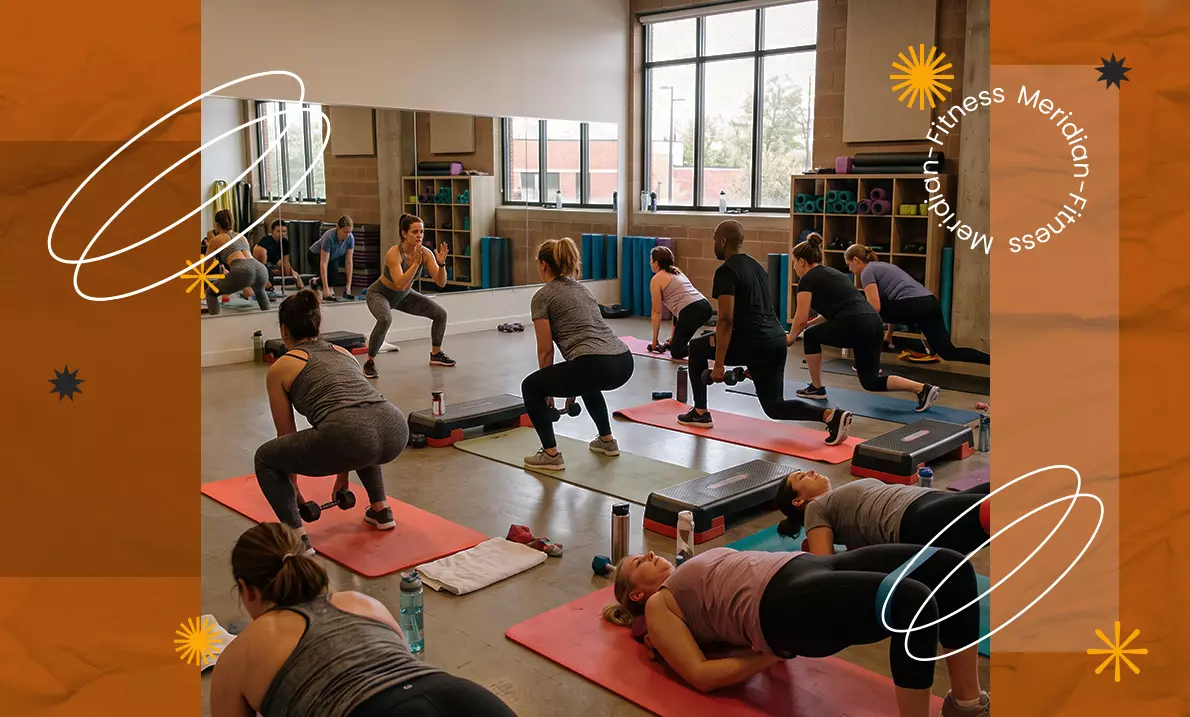
The session may start with gentle movements to help you become familiar with your breathing, posture, and positioning. Your instructor may guide you through movements involving the shoulders, spine, hips, or other areas.
Practicing controlled exercises
The main part of the class may include exercises for your core, back, hips, and other muscle groups. Movements are generally performed with attention to technique rather than speed. Some exercises may feel harder than they look. If you struggle to maintain control, ask for a simpler version.
Finishing at a manageable pace
The session may end with gentler movements, stretching or a short period of relaxation. Give yourself time to notice how you feel afterwards. You do not need to leave exhausted. You do not need to feel exhausted for a class to be worthwhile. Learning technique and establishing a routine are useful goals when you are starting out.
Pilates on the Ball, Yogilates, or Mat Pilates: Which words for an Older Beginner?
We offer different Pilates formats, so you can consider the type of movement you prefer. Your balance, mobility, confidence, and experience matter.
| Class type | Main focus | Beginner consideration |
| Mat Pilates | Core strength, control, and body awareness | A useful option to explore if you prefer floor-based exercises and are comfortable getting down to and up from the mat. |
| Pilates on the Ball | Core stability, coordination, and balance challenges | The ball creates an unstable surface, so ask about suitable modifications if you are new to exercise or feel unsteady |
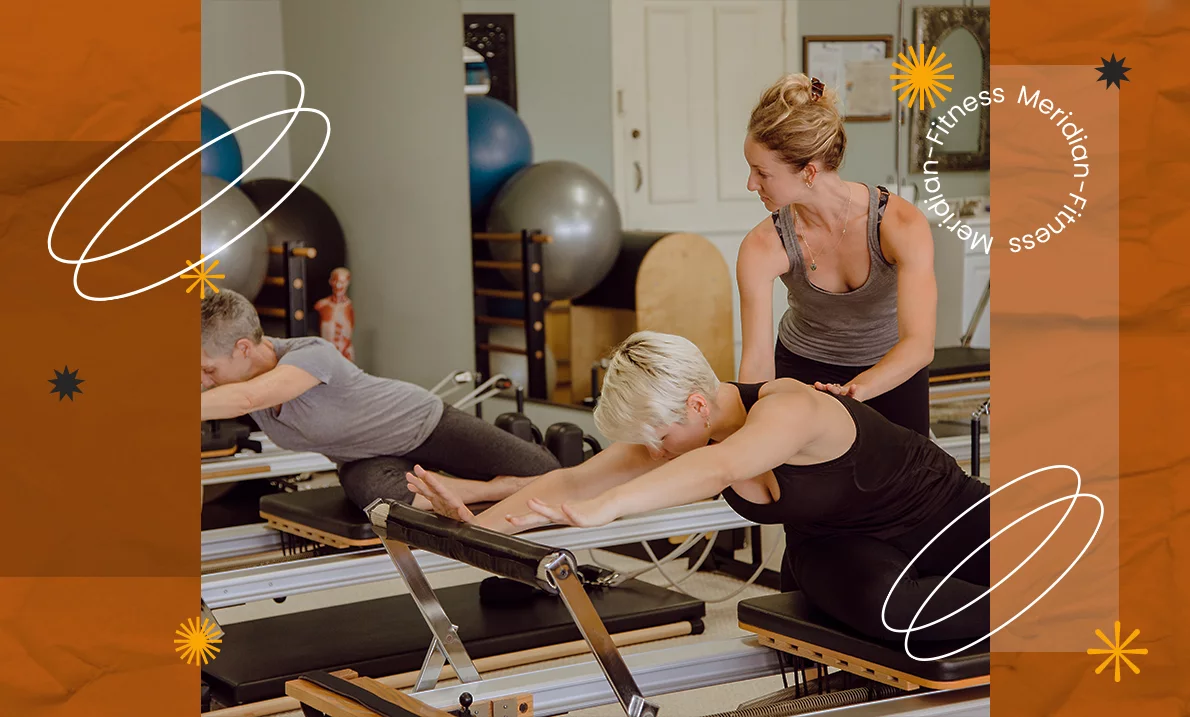
| Aerial Yogalates | A combination of Pilates-based movement, flexibility, and yoga-inspired practices | Equipment and positioning add another level of complexity. Ask the instructor whether the session is suitable for first-timers. |
| Yogilates Fusion | Movement and body control using an aerial hammock | May appeal if you want a mix of controlled strength work and mobility. Check the class content and pace before booking. |
Which class should you try first?
If you have never done Pilates, Mat Pilates is a sensible place to start because it doesn’t require you to learn to work with a ball or aerial hammock.
However, floor exercise can still be challenging if you have difficulty kneeling, lying down, or getting back to standing.
Pilates on the Ball may interest you if you want to work on stability, but using the ball can add a balance challenge. Yogilates Fusion may suit your preferences if you want to combine controlled movement with flexibility work.
Aerial Yogalates is another option within our programme, but we would not automatically recommend it as your first class. Ask about the session’s demands and any entry requirements before booking.
How Often Should Beginners Over 40 Do Pilates
One or two Pilates sessions per week is a practical starting point for many beginners over 40. This gives you time to learn the exercises, see how your body responds, and build a routine around your other commitments. You do not need to attend a class every day to begin developing your practice. If you experience unusual pain, persistent discomfort, or concerning symptoms, stop the exercise and seek appropriate advice. Pilates can be part of an active lifestyle, but it doesn’t cover every aspect of fitness on its own. Walking, aerobic exercise, and appropriate strength training can also support your overall activity routine.
Here is one way to approach your first few weeks:
One session per week: Start here if you are returning to exercise after a long break or have a busy schedule.
Two sessions per week: Consider this if you feel comfortable after your first classes and have enough time to recover between sessions.
More frequent sessions: Increase gradually if your experience goals and recovery allow. Ask your instructor for guidance if you are unsure.
What Should You Tell Your Pilates Instructor Before Your First Class?
Your instructor can give you more appropriate guidance when they understand your experience and any relevant movement limitations. You do not need to share every detail of your personal history, but it is important to mention anything that could affect your participation.
If you have a medical condition, a recent health event, an ongoing injury, or uncertainty about whether exercise is appropriate, seek advice from a qualified healthcare professional before taking part. A group Pilates class is not a substitute for individual medical rehabilitation.
Before the session, tell your instructor about:
- Previous injuries: Explain whether an injury still affects your movement or whether you have been advised to avoid particular exercises.
- Back or joint discomfort: Mention any current symptoms, especially if certain positions make them worse.
- Recent surgery: Follow your healthcare professional’s advice about returning to exercise before joining a class.
- Pregnancy or the postnatal period, where relevant: Ask about suitable exercise and tell your instructor so they can assess whether the class is appropriate.
- Movement restrictions: Explain if you have difficulty kneeling, lying on the floor, getting up from a mat or maintaining your balance.
- Exercises that cause discomfort: Tell your instructor if a movement feels painful, unstable, or hard to control.
What Should You Wear and Bring
You don’t need special clothing to start Pilates. Comfortable clothes that let you bend, stretch, and move freely are usually enough. Before your first class, check these practical details:
- Clothing: Wear comfortable, flexible exercise clothes that allow your instructor to see your movement and positioning.
- Footwear: Check the class requirements. Some Pilates sessions are performed barefoot or in suitable grip socks.
- Water: Bring a water bottle so you can drink when needed.
- Equipment: Ask whether you need to bring a mat or whether equipment is provided for your session.
- Arrival time: Give yourself enough time to check in and speak to the instructor.
- Booking: Confirm the class time, duration, and any requirements before travelling.
Where Can Beginners Take Pilates Around Greenwich?
If you live or work in Greenwich, finding a class that fits your routine can make it easier to attend consistently. The same applies if you travel from Deptford, Blackheath, Lewisham, Cutty Sark, or North Greenwich. We run our Pilates programme at Meridian Fitness, London. When comparing your options, consider more than the class description. Consider how long it takes to get to the venue, whether the timetable fits your workday, and how easily you can return each week. A class that fits your routine is often more practical than one that looks appealing but is hard to attend regularly.
Beginner Pilates After 40: Quick Checklist
Before looking for your first class, use this checklist to make sure you have the information you need. Taking a few minutes to check these details can help you choose a class with realistic expectations.
Class level: Have you checked whether the session is appropriate for a beginner?
Instructor: Can you speak to the instructor about your experience and any movement limitations?
Class duration: Does the 45-or 60-minute session fit your current fitness level and schedule?
Modifications: Can you ask about alternative movements if an exercise is uncomfortable or too difficult?
Location: Can you ask about alternative movements if an exercise is uncomfortable or too difficult?
Timetable: Is the class available at a time you can maintain each week?
Cost: Have you checked the current class price or membership terms?
Booking rules: Do you know how to book, cancel, or change your session if needed?
FAQs
Is Pilates good for beginners over 40?
Yes, Pilates can be a useful option for adults over 40 who want to build core strength, flexibility, balance, and control of movement. You do not need previous experience, but you should choose a suitable class and tell the instructor about any relevant limitations.
Do you need to be flexible before starting Pilates?
Exercises can help you practise movement through a comfortable range, and your flexibility may develop over time. Avoid forcing a stretch or comparing your range of movement with someone else’s.
How many Pilates classes should beginners take per week?
One or two sessions per week is a practical starting point for many beginners. You can adjust your routine as you gain experience and understand how your body responds. No single schedule suits everyone.
Is Pilates suitable for people over 50?
Pilates can suit people over 50, provided the class and exercises match their abilities and needs. Age alone does not determine whether a movement is appropriate. If you have health concerns, an injury, or difficulty with particular positions, seek professional advice before participating.
Start Pilates at Your Own Pace With Meridian Fitness
Turning 40, 50, or 60 doesn’t mean you have missed your chance to try Pilates. You can start with no experience, learn the basic movements, and build your confidence one session at a time.
At Meridian Fitness, we offer Mat Pilates, Pilates on the Ball, Yogilates Fusion, and Aerial Yogalates at our Greenwich gym. The best place to begin depends on your current ability, the type of movement you enjoy, and the routine you can maintain. If you are looking for Pilates classes near me, explore our Greenwich Pilates classes and check the latest timetable. Start with a realistic goal, ask questions when you need to, and give yourself time to learn. Your first class does not need to be perfect. It just needs to be a suitable place to begin.