Searching for LBT classes near me and wondering what actually happens during a session? If you have never tried a legs, bums, and tums workout before, you probably want to know what exercises you will do, how intense the class feels, and whether you need to be fit before joining.
An LBT class usually combines lower-body strengthening, core exercise, and short cardio or conditioning sections. You can expect movements such as squats and lunges, glute bridges, and abdominal exercises, often performed in sets or repeated sequences. The session normally starts with a warm-up and finishes with a cool-down. Our LBT class in Greenwich follows a 45-minute format led by an instructor. Our main goal is to give you a focused workout that works your legs, glutes, and core while helping you build strength and fitness. You do not need to know every exercise before you arrive. Understanding the basic structure can help you feel more prepared for your first session.
What Does an LBT Class Involve?
LBT stands for Legs, Bums, and Tums. You may move between exercises and floor work throughout the class. Beyond the exercises themselves, the benefits of LBT classes include building strength, improving fitness, and developing muscular endurance.Some sessions use music to set the pace, while others focus more on controlled repetitions. These are common elements of LBT classes, not a fixed sequence for every session. Every instructor may organise a session differently; a typical Legs, Bums, and Tums workout follows this general structure:
- Warm-up: gentle movement prepares your body for exercise and gradually raises your heart rate.
- Lower-body exercises: Squats, lunges, and similar movements work the muscles around your hips and buttocks.
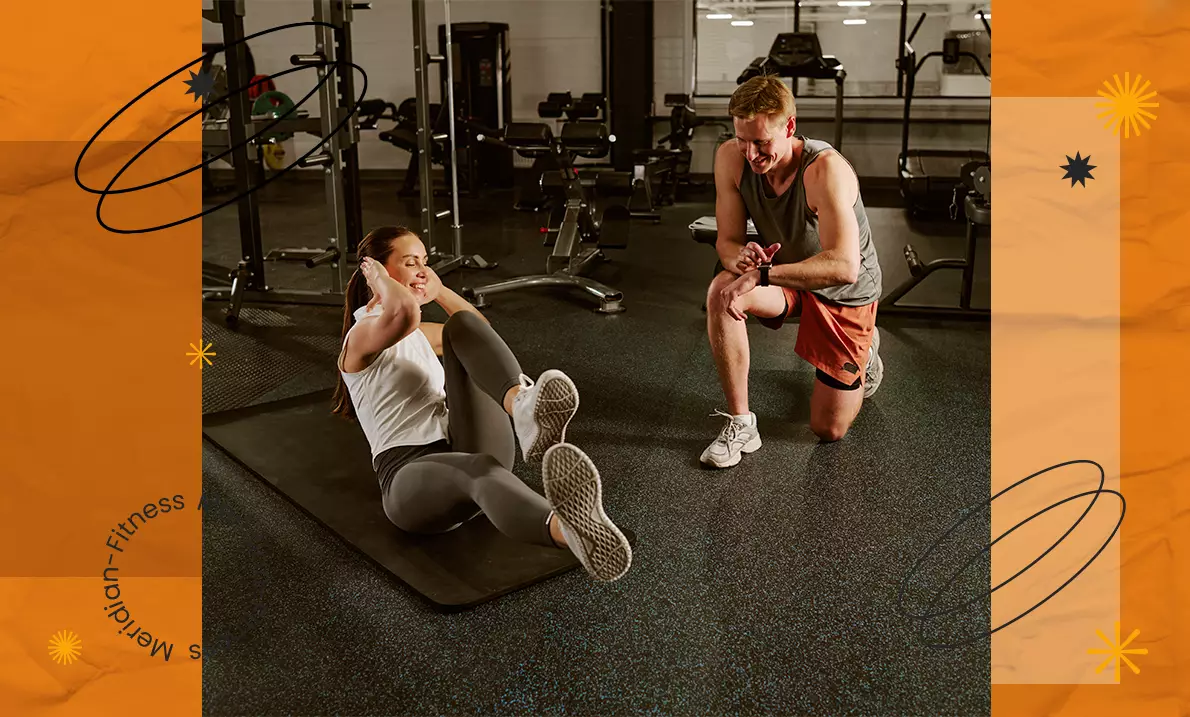
- Core work: Planks, crunches, and other controlled movements target the abdominal muscles supporting the core.
- Conditioning or cardio: Steps or short bursts of faster movement can increase the cardiovascular demand.
- Cool-down: The session finishes with gentler movement and stretching, where included.
What Happens During Warm-Up?
The warm-up gets you moving before the more demanding exercises begin. You might start with marching on the spot, side steps, or gentle jogging. The instructor may then introduce hip movements, ankle mobility exercises, and controlled knee bends. These movements help prepare the joints and muscles involved in the main workout. They also give you a chance to practise movements that may appear again later.
For example, a few controlled squats during the warm-up can help you become familiar with the movement before you perform more repetitions. You do not need to push yourself during this part. Follow the instructor’s pace, pay attention to your technique, and use the warm-up to settle into the class.
Which Leg Exercises Are Common in LBT?
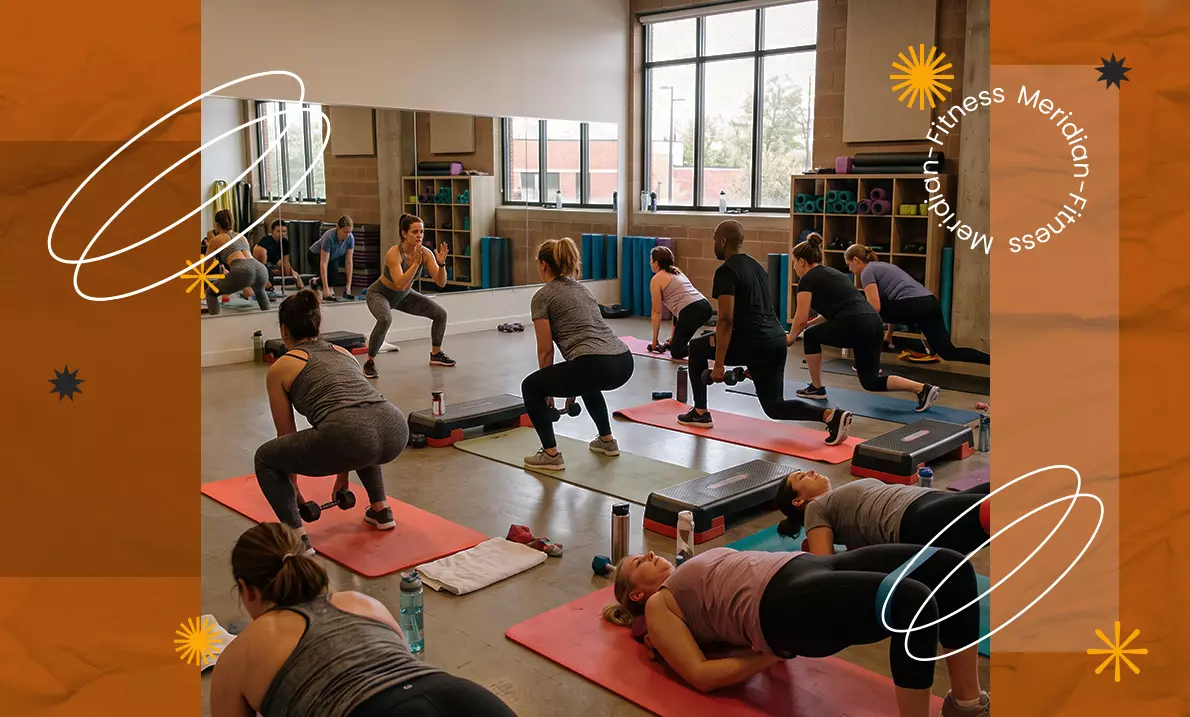
Most LBT exercises focus on the lower body. The exact selection varies, but these movements are common in Leg, Bum, and Tummy workouts. You may repeat an exercise several times before moving to the next one. Some instructors use timed intervals, while others count repetitions. If you’re new to squats or lunges, start with a comfortable range of movement. You can also ask the instructor to demonstrate an easier variation. The aim is to perform the movement with control, rather than trying to match someone who has been attending classes for months.
- Squats: Work the quadriceps, glutes, and other muscles involved in bending and strengthening the hips and knees.
- Lunges: Challenge the thighs and glutes while requiring balance and control.
- Step-ups: Involve stepping onto and off a raised platform, working the legs and hips.
- Side lunges: Encourage side-to-side movement and work the thighs, glutes, and muscles around the hips.
- Calf raises: Strengthen the calf muscles by raising your heels and lowering them in a controlled manner.
Which Exercises Target the Glutes?
The glutes are the muscles around your buttocks. They help extend and stabilise your hips during movements such as walking, climbing stairs, and standing up. You might perform some of these exercises standing and others on a mat.
Our focus is on helping you work the muscles involved in these movements and develop strength over time. Results depend on factors such as exercise consistency,y resistance, techniques, and your wider training routines. No single class guarantees a particular change in body shape. You may find core exercises more challenging when you first try them. That does not mean you are doing something wrong. Focus on controlled movement and steady breathing. If a plank feels too difficult, ask whether you can perform it with your knees on he mat. A suitable variation lets you practise the movement without feeling that you have to push through every repetition.
Common LBT class exercises include:
- Glute bridges: Lie on your back with your knees bent, then lift your hips while keeping the movement controlled.
- Hip extensions: You move one leg backwards to work the muscles that extend the hip.
- Squat variations: Different stances and depths change how an exercise challenges your lower-body muscles
- Lunges: These involve bending the knees and hips while maintaining control through each repetition.
- Abduction movements: You move a leg away from the body’s midline, challenging muscles around the outer hips.
Which Exercises Work the Tums or Core?
The exercises usually target the abdominal muscles as part of the wider core, which also includes muscles that help support and control your trunk.
Common LBT class exercises include;
- Planks: Hold your body in a controlled position while your core muscles work to maintain stability.
- Dead bugs: Lie on your back and move your arms and legs in a controlled movement to challenge the abdominal muscles.
- Mountain climbers: Alternate your knees towards your chest from a supported position. A faster version can also increase the cardio demand.
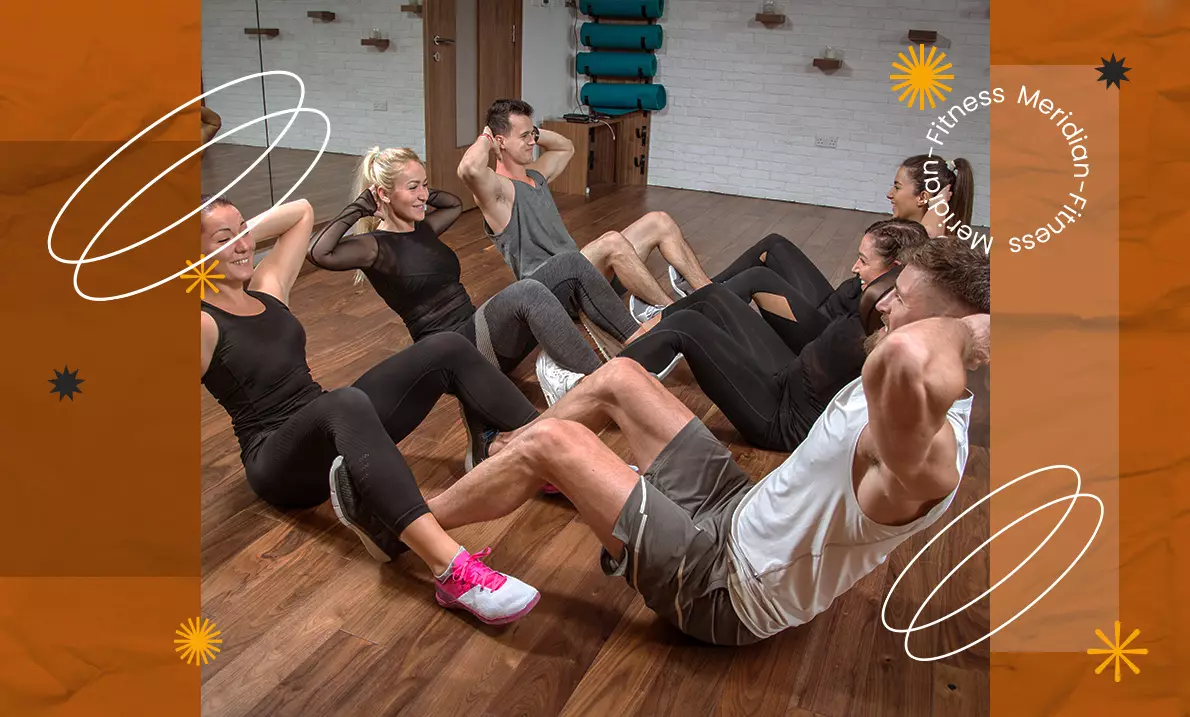
- Crunch variation: Lift your head and shoulders in a controlled movement to challenge the abdominal muscles.
Do LBT Classes Include Cardio?
The main focus is strengthening and conditioning the lower body and core. Some instructors also include short periods of faster movement to raise your heart rate and make the session more demanding.
Not every LBT class includes jumping or high-impact exercises. The amount of cardio depends on the instructor and session format. If you prefer a workout that combines strength exercises with some cardiovascular activity, LBT can be a useful option. If you want a class focused mainly on sustained aerobic exercise, you may prefer to compare it with a dedicated cardio class.
Do LBT Classes Use Weights or Equipment?
LBT classes can use bodyweight exercises, resistance equipment, or a mixture of both. You cannot necessarily use every item in one session. Equipment arrangements also vary between gyms and instructors. We check the class information or ask our team if you want to know whether you need to bring anything specific. You can prepare for your first session with comfortable clothing, supportive trainers, and a bottle of water.
Depending on the session, you may encounter:
- Bodyweight: Squats, lunges, planks, and other exercises performed without additional resistance.
- Dumbbells: Used to make selected strength exercises more challenging.
- Resistance bands: Add resistance to movements such as hip abductions.
- Steps: Provide a raised platform for step-ups or other suitable exercises.
- Mats: Provide a comfortable surface for floor-based glute and core work.
How Long Does an LBT Class Last?
LBT classes typically last 30 to 60 minutes, depending on the provider and format.
For example, PureGym’s Legs, Bums, and Tums class information lists sessions lasting 30 to 60 minutes. At Meridian Fitness in Greenwich, our listed LBT sessions last 45 minutes. That gives you a focused workout without needing to set aside an entire morning or evening. The session includes the main workout, along with its warm-up and cool-down, rather than 45 minutes of continuous high-intensity exercises. Check our current fitness class timetable for available sessions before planning your visit, as class times can change.
What Should You Bring to Your First LBT Class?
You do not need an elaborate gym kit to get started. A few basic items should be enough for most sessions. Check whether the gym provides mats and other equipment. If the instructor asks participants to use particular weights or resistance bands, use them. Arriving a little early also gives you time to introduce yourself to the instructor and mention that this is your first LBT class.
- Water: Bring a bottle so you can drink during breaks and after the workouts.
- Comfortable activewear: Choose clothes that allow you to squat, lunge, and move freely.
- Supportive trainers: Wear footwear that feels stable and comfortable for standing exercises.
- A small towel: Useful if you prefer to wipe away sweat during the session.
How Intense is an LBT Class?
The intensity can range from manageable to challenging. It depends on the exercises, the number of repetitions, the pace, the resistance used, and your current fitness level. You may find the first few minutes comfortable, then notice your thighs becoming tired during repeated squats or lunges. Floor exercises can also challenge your core in ways you are not used to.
What can your first LBT class really feel like?
Your first class might feel different from what you expected. You may understand the exercises when the instructor demonstrates them, but you may find it harder to follow along when the movements start changing.
One beginner shared this experience about an LBT class in March 2022. She had already tried other gym classes and hoped LBT would be less demanding. Instead, she struggled to follow some of the exercises and felt embarrassed when other participants seemed to keep up more easily. She eventually left the class early, although she said the experience would not stop her from trying again. This is a useful reminder if you are thinking about joining your first class. You might need extra time to learn the movements, take a few breaks, or try easier variations. That is completely different from failing at the workout. At Meridian Fitness, we encourage beginners to focus on their own pace rather than comparing themselves with other participants. If you are unsure about an exercise, let your instructor know. You can build confidence as you become more familiar with the movements.
- Remember: You do not need to get every movement right in your first session. The important thing is to start at a level you can manage and give yourself time to learn.
Can You Make LBT Easier?
If you are new to exercise, you can start with simpler versions of many movements.
For example, you could perform a shallow squat instead of lowering as far, use a supported variation of a lunge, or take a break between sets. You can also slow down if you find the pace difficult to follow. Let the instructor know about your experience level before the class starts. You do not need to complete every repetition to get started.
Can Experienced Participants Make LBT Harder?
If you already exercise regularly, you may be able to increase the challenge by using greater resistance, choosing a more demanding variation, or working through repetitions with greater control. The important point is to increase the difficulty without allowing your technique to deteriorate. Heavier weights or faster movements are not automatically better if you cannot perform them safely. Our advice is to choose a level that challenges you while allowing you to maintain control. If you want more guidance before attending, read our beginner’s guide to LBT classes.
What Happens After an LBT Class?
The instructor will usually end the session with a cool-down, which may include gentle movements and stretches. You might feel tired immediately afterwards, especially if you have worked muscles that do not usually receive much attention in your regular routine. Drinking water and allowing yourself time to recover are sensible steps. Some people also experience delayed muscle soreness in the hours or days after an unfamiliar workout. Its intensity varies, and soreness is not required to make progress.
If you are new to LBT, you may want to leave some recovery time before another demanding lower-body session. As you become familiar with the exercises, you can adjust your training routine according to how you feel. Understanding how many LBT classes a week may suit your fitness level can also help you plan a manageable routine. Sharp pain, dizziness, or unusual breathlessness should not be treated as normal workout discomfort. Stop exercising and seek appropriate help if these symptoms occur.
What Is an LBT Class Like at Meridian Fitness in Greenwich?
At Meridian Fitness, our LBT classes focus on lower-body strengthening, glute exercises, core work, and conditioning. Our instructors guide participants through the session, helping them understand the movements and follow the workout.
Each listed session lasts 45 minutes, making LBT an option if you want to fit a focused workout around work, family commitments, or other activities. You can find us at 38 Creek Road, London SE8 3FN, in Greenwich. If you want to learn more about the class, visit our page for LBT classes in Greenwich. You can also view our fitness class timetable to check available sessions. Before attending, check the latest timetable and booking details. If it is your first class, tell the instructor so they can help you understand the format and suitable exercise options.
FAQs
Is LBT mainly cardio or strength training?
LBT mainly focuses on strengthening and conditioning the legs, glutes, and core. Some classes also include short cardio sections, so the workout can combine both.
Are LBT classes low impact?
They can be, but it depends on the instructor and exercise selection. Squats, controlled lunges, and glute bridges can be performed without jumping. Some classes may include more energetic movements, so ask about suitable alternatives if you prefer low-impact exercise.
Do you need to be flexible to join an LBT class?
You do not need advanced flexibility to get started. Work within a comfortable range of movement and ask the instructor for an alternative if an exercise feels difficult.
Can men attend LBT classes?
LBT focuses on muscles that everyone uses, including the legs, glutes, and core. The class is not limited to one gender.
Is LBT suitable for beginners?
LBT can be suitable for beginners, particularly when the instructor offers easier exercise variations. Start at your own pace, take breaks when needed, and tell the instructor if you have concerns about a movement.
What muscles does LBT work?
LBT commonly works the quadriceps, hamstrings, glutes, calves, and abdominal muscles. Other muscles around the hips and trunk also help with balance and movement during many exercises.
Ready to Try an LBT Class?
Your first session will include a warm-up, lower-body exercises, glute work, and core movements, and, in many classes, some cardio or coordination before the cool-down. You know what to bring, which exercises you might encounter, and how to adjust the intensity to suit your experience. You do not need to be an experienced gym-goer to take the first step. Start with movements you can control, ask questions when you need help, and give yourself time to learn the routine. If you have been searching for LBT classes near me, explore our LBT classes in Greenwich at Meridian Fitness and check the current timetable to find a session that fits your schedule.