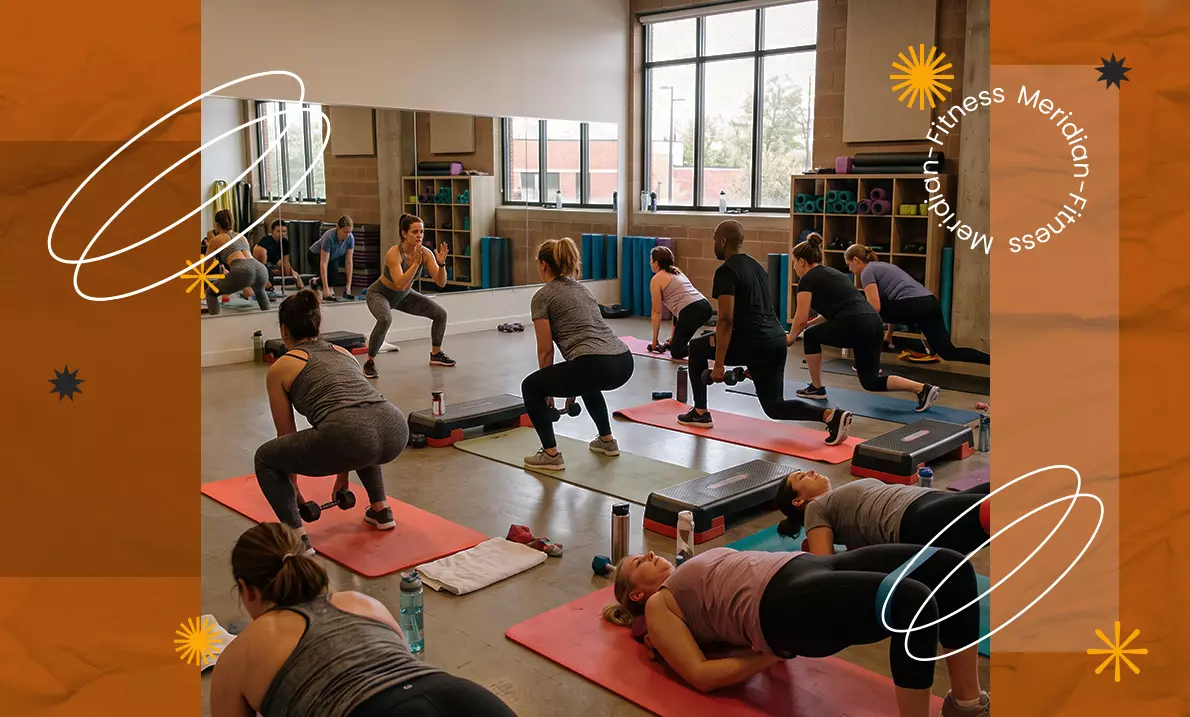
Gym membership can be a valuable employee benefit when it’s affordable, convenient, and relevant to the workforce. It gives employees practical access to physical activity while giving employers another way to support wellbeing, strengthen their benefits package, and encourage engagement.
If employees can easily get to the gym, afford the membership, and want to use it, it can be a useful addition to an employee benefits package. It can give staff another way to stay active while giving employers a practical workplace wellbeing benefit. This guide is ideal for anyone searching “ what is a gym membership benefit”.
Why are employers adding wellbeing benefits?
Employers are adding wellbeing benefits primarily to improve productivity and lower health care costs. Employee wellbeing is now part of many companies’ wider benefits and people strategies. But wellbeing is not just about offering a few extra perks. CIPD recommends taking a broader approach that considers areas such as working conditions, workloads, management, workplace culture and both physical and mental health. For some employees, having access to a nearby gym makes it easier to include exercise in their week. For others, a gym benefit may not be particularly useful at all.
What are the main benefits of offering employees gym membership?
There are several reasons an employer might consider adding gym membership to its benefits package. The important point is that these are potential benefits.
It gives employees easier access to regular exercise
An employee may already want to work out but find local gym prices too high or the nearest suitable facility inconvenient. An employer-supported membership can make it easier. It may also help employees fit exercise around work. Someone could use the gym before work, during a lunch break, or on the way home.
People have different routines and interests.
It supports a broader employee wellbeing strategy
A gym membership can be part of a workplace wellbeing programme, but it should not be the whole programme. CIPD takes a similar view of employee wellbeing, noting that it should be connected to organisational culture, leadership and people management.
For example, an employer might offer gym membership while also giving employees access to flexible working and mental health resources. The aim is not to suggest the exercise solves workplace wellbeing issues. It is simply another form of support.
Employees may need support in other areas too.
- Manageable workloads.
- Flexible working.
- Mental health support.
- Occupational health.
- Good working conditions.
- Supportive management.
It gives employees a tangible benefit they can use regularly
Some employee benefits are used only occasionally. Gym membership can be different. An employee might use it several times a week, depending on their routine. That can make it feel like a benefit with everyday value rather than something they might use once or twice a year.
Of course, this depends on the gym itself. Employees are more likely to value a membership if it gives them access to facilities, classes, and opening hours that suit them. It is therefore worth looking beyond the membership price and asking what employees will actually get from it.
It may strengthen employees’ engagement
A useful benefit can contribute to how employees view their employer. If staff feel that the company offers benefits that are relevant to their lives, it may help create a more positive employee experience. Gym membership can play a small part in this. Employees may also choose to attend classes or work out with colleagues, creating opportunities for informal social contact. But a gym membership is not a shortcut to employee engagement.
Engagement is influenced by many things, including management, workload, communication, job quality, and working conditions. So it is more accurate to say that a gym benefit may support employee engagement rather than claiming that it will improve engagement on its own.
It can contribute to retention efforts
Employee benefits are one part of the overall package that people consider when deciding whether a job works for them. A gym membership may add value to that package, particularly if employees already see physical activity as important. It can also show that an employer is prepared to provide benefits beyond salary.
However, employees do not stay with a company simply because they have access to a gym. Pay, career development, management, flexibility, workload and workplace culture all matter too. A gym membership is therefore better viewed as one part of a wider retention strategy.
It can support employer branding
Employee benefits often appear in job adverts and recruitment conversations. A gym membership can be included as part of an employer’s wider employee value proposition (EVP), especially if wellbeing is already part of the company’s culture. But there is a difference between listing a benefit and offering one that employees actually value.
For example, saying “gym membership available” may sound attractive. It becomes much more useful when employees know where the gym is, what it includes, and how much they will need to pay.
It can encourage social connection
A gym can give employees another place to interact outside their normal work environment. Colleagues might attend a fitness class together, train after work, or meet for a lunchtime session. These activities can create informal social opportunities, particularly in workplaces where employees enjoy doing things together. Participation should still be optional. Not everyone wants to exercise with colleagues, and employees should never feel that using the gym is expected as part of their job. A good gym benefit gives people a choice.
A local gym can make the benefit more practical
An employee may have access to a corporate gym membership, but that does not mean they will use it if the nearest facility is difficult to reach. This matters in London, where commuting patterns can vary widely.
A local gym can sometimes be more useful than a much larger network if it is somewhere employees already travel. For businesses around Greenwich and South East London, we provide employer-sponsored gym memberships for teams of five or more. The club is located on Creek Road in Greenwich and is accessible from surrounding areas.
Employers may want to consider:
- Where is the gym in relation to the office?
- Can employees reach it by public transport?
- Is it close to common commuting routes?
- Can staff use it during lunch?
- Are the opening hours suitable before and after work?
- What about employees who work from home?
- Is it still convenient on hybrid-working days?
Flexible schemes can serve different employee needs
Employees do not all have the same budget or working pattern. Some may prefer an employer contribution. Others may be happy to pay for their own membership if they can access a discounted rate. There is no single model that suits every business. The right option will depend on the company’s budget, the size of the workforce and what employees actually want.
Employers should also check the tax treatment before deciding how to fund the benefit. The rules can vary depending on how the gym membership is arranged and paid for.
Depending on the arrangement, employers could consider:
- annual memberships.
- monthly memberships.
- employer contributions.
- employee-funded memberships.
- discounted corporate rates.
What are the benefits for employees?
For employees, the main value of a gym membership usually comes down to four things:
Access, cost, convenience, and choice.
A workplace gym benefit may give employees:
- Access to a gym without paying the full standard membership price.
- Access to fitness classes.
- Use of gym equipment and facilities.
- More flexibility around when they exercise.
- A convenient option before or after work.
- Another way to stay active during the working week.
An employee who works near the gym may find the membership very useful. Someone who works most of the week remotely may prefer a facility close to home. That is why employers should ask employees what would actually be useful before choosing a scheme.
What are the potential drawbacks?
Gym membership is not the right employee benefit for every company. There are several things employers should consider before committing to a scheme.
- Low uptake
Not every employee will want a gym membership. Some may already have one, while others may prefer different forms of exercise.
- Poor location
A gym that is difficult to reach is less likely to become part of an employee’s routine.
- Unsuitable opening times
Employees working different hours may not be able to use a gym that closes early or has limited access.
- Employees who do not enjoy gyms
Some people prefer walking, running, cycling, swimming, sports, or home-based exercise. A gym membership will not suit everyone.
- Perceived inequity
If an employer pays the full cost, employees who do not use the gym may feel that they are receiving less value from the benefits package.
- Administrative burden
Depending on the arrangement, employers may need to manage enrolment, payments, eligibility and employee communications.
- Tax implications
Employer-funded gym membership can have tax and National Insurance implications.
How can employers make a gym benefit more inclusive?
A gym benefit should not be designed around one type of employee. Not everyone is experienced in the gym. Some employees may be beginners. Others may have accessibility requirements, different fitness preferences, or simply no interest in traditional gym training.
A message focused entirely on losing weight or getting in shape may put some employees off. A broader message about giving staff access to facilities, classes, and opportunities to be active is more welcoming.
Employers can make the benefit more inclusive by:
- Keeping participation voluntary.
- Offering flexible membership options where possible.
- Making it clear that beginners are welcome.
- Checking accessibility before choosing a gym.
- Considering different classes and activities.
- Offering alternatives if the budget allows.
- Avoiding weight-loss-focused messaging.
- Asking employees what they would actually use.
How should employers measure whether the benefit is worthwhile?
Employers do not need a complicated system to review a gym membership benefit. Are employees using the benefit and finding it useful?
Low uptake does not always mean that employees do not want the benefit. The problem could be the location, cost, opening hours, or lack of communication. Employers should also avoid trying to prove that a gym membership directly caused higher productivity or lower absence. There are many other factors involved. A more realistic measure is whether employees know about the benefit, use it, and consider it worthwhile.
Before introducing the scheme, employers could ask staff:
- Would you use a gym membership?
- Where would you prefer the gym to be?
- Would you rather receive a contribution or a discount?
- What facilities or classes matter to you?
- Would you use the gym before work, after work or at weekends?
Is a gym membership benefit suitable for businesses in London?
For London employers, convenience deserves particular attention. Employees may travel long distances to work, use several forms of public transport or work from home for part of the week. That can make a gym near the office useful for one employee and inconvenient for another. A local gym can work well when it fits naturally into an employee’s existing routine.
For example, someone working in Greenwich may prefer a gym close to their workplace or commute rather than travelling elsewhere specifically to exercise. This is one reason local access can be just as important as the size of a gym network. For employers in Greenwich and nearby areas, Meridian Fitness offers employer-sponsored gym membership options for teams. This can give local businesses another option when looking at workplace fitness benefits.
Before choosing a corporate gym membership, employers can consider:
- proximity to the office.
- public transport links.
- employee home locations.
- lunchtime access.
- before-work and after-work opening hours.
- weekend access.
- hybrid-working patterns.
FAQs
Is gym membership a good employee benefit?
Gym membership is most useful when employees can access it easily, see value in it, and are interested in using it. Employers should consider cost, location, employee preferences, and likely uptake before introducing the benefit.
Do employees value gym memberships?
Some do, particularly when the gym is convenient, and the membership represents good value. However, not every employee will want to use a gym, so employers should avoid assuming that the whole workforce will value the benefit equally.
Should employers pay the full cost?
An employer could pay the full membership fee, contribute toward the cost, or negotiate a discounted rate that employees pay themselves. The best option depends on the company’s budget and employee preferences.
Can a small company offer gym membership?
Yes, a small business can explore options such as an employer contribution or a discounted corporate membership. Before choosing one, it is worth checking likely employee demand, cost, and whether the gym is convenient for the workforce.
Does a gym membership improve employee retention?
A gym membership can add value to an employee benefits package, but retention also depends on pay, management, career development, flexibility, workload and workplace culture.
Is gym membership considered a wellbeing benefit?
Yes, gym membership can be included as part of a workplace wellbeing strategy, particularly around physical activity. It should sit alongside other forms of employee support rather than replace them.
What if some employees do not want to use a gym?
Employees have different interests and fitness preferences. Employers can keep participation voluntary and, where possible, offer other wellbeing options or flexible benefits.