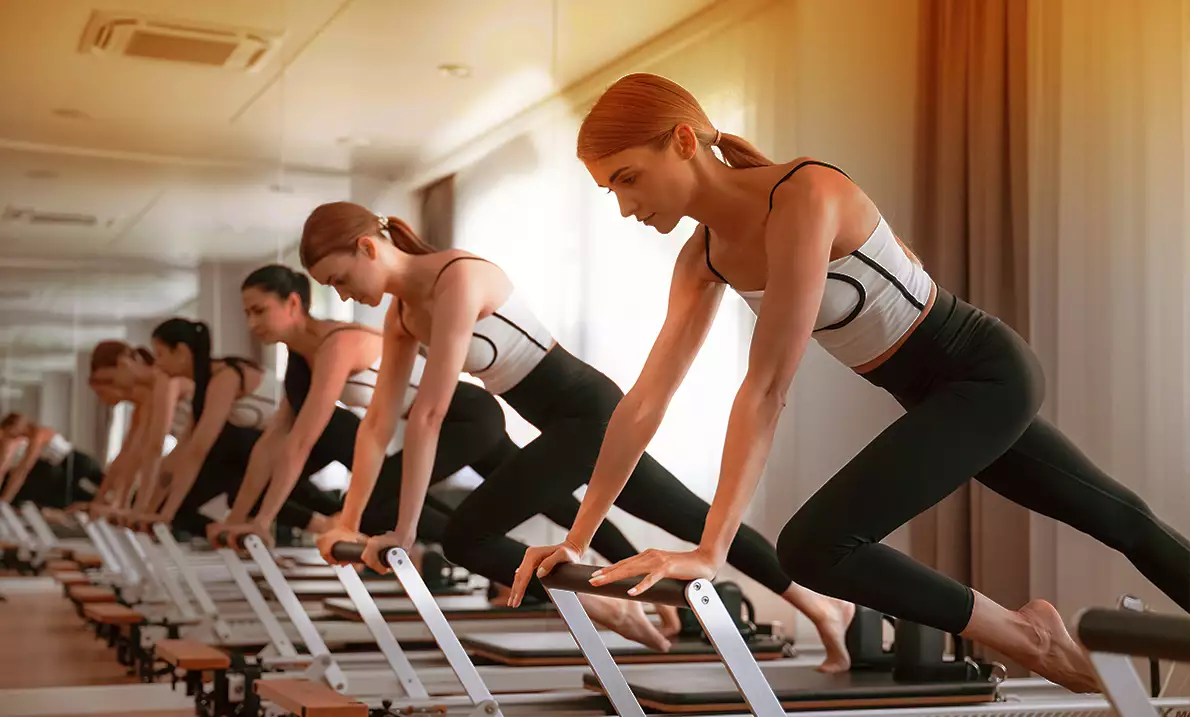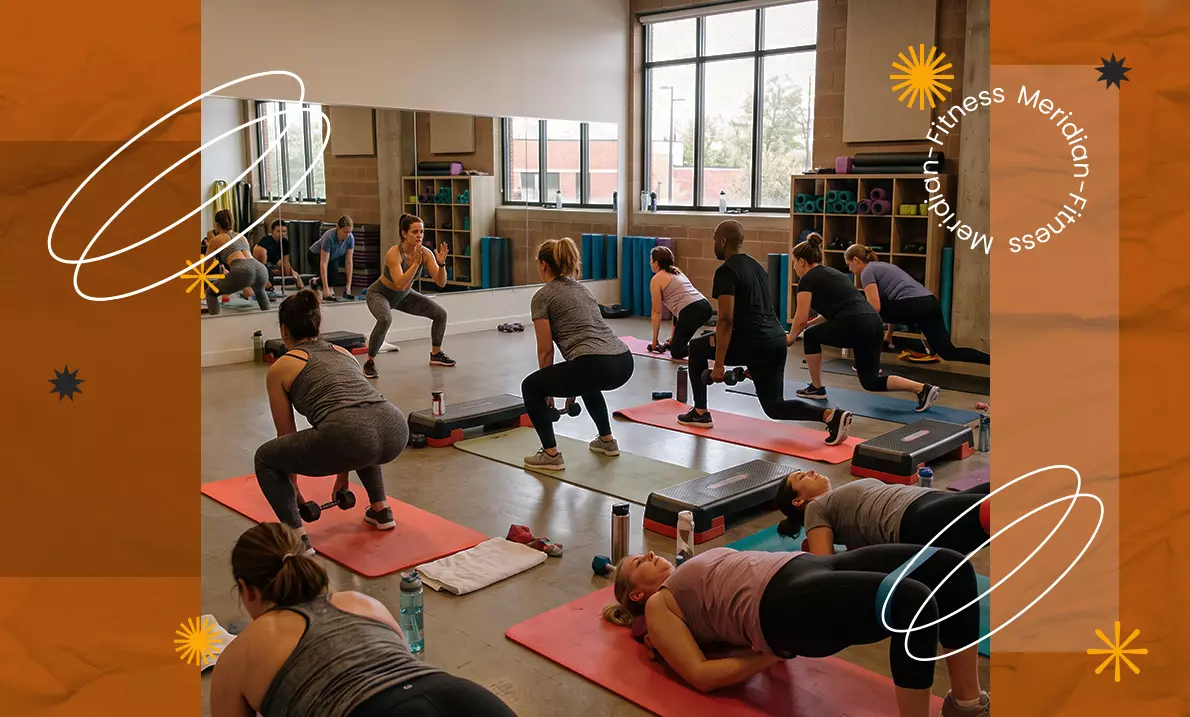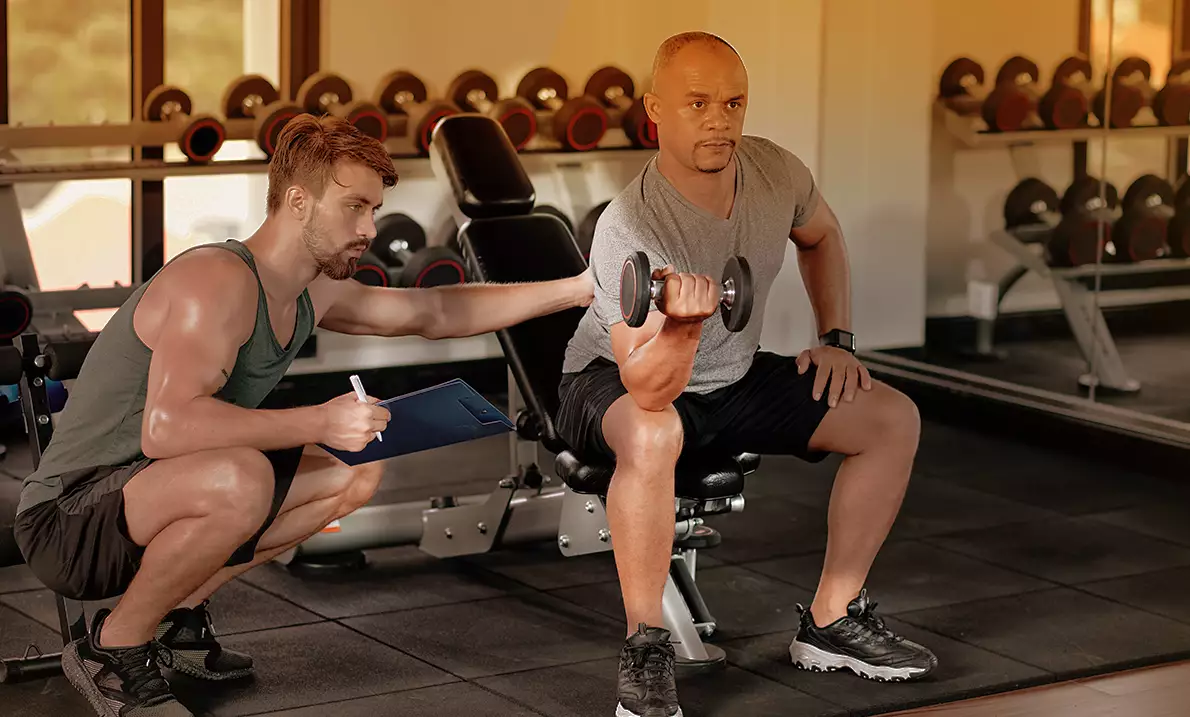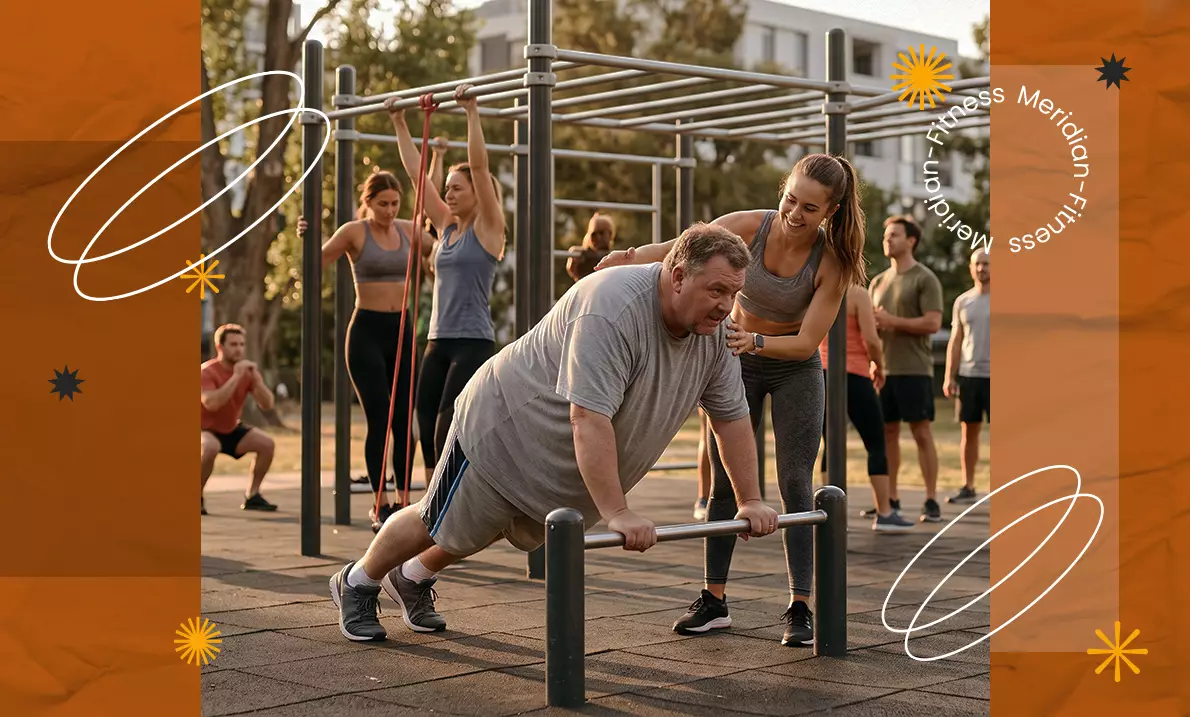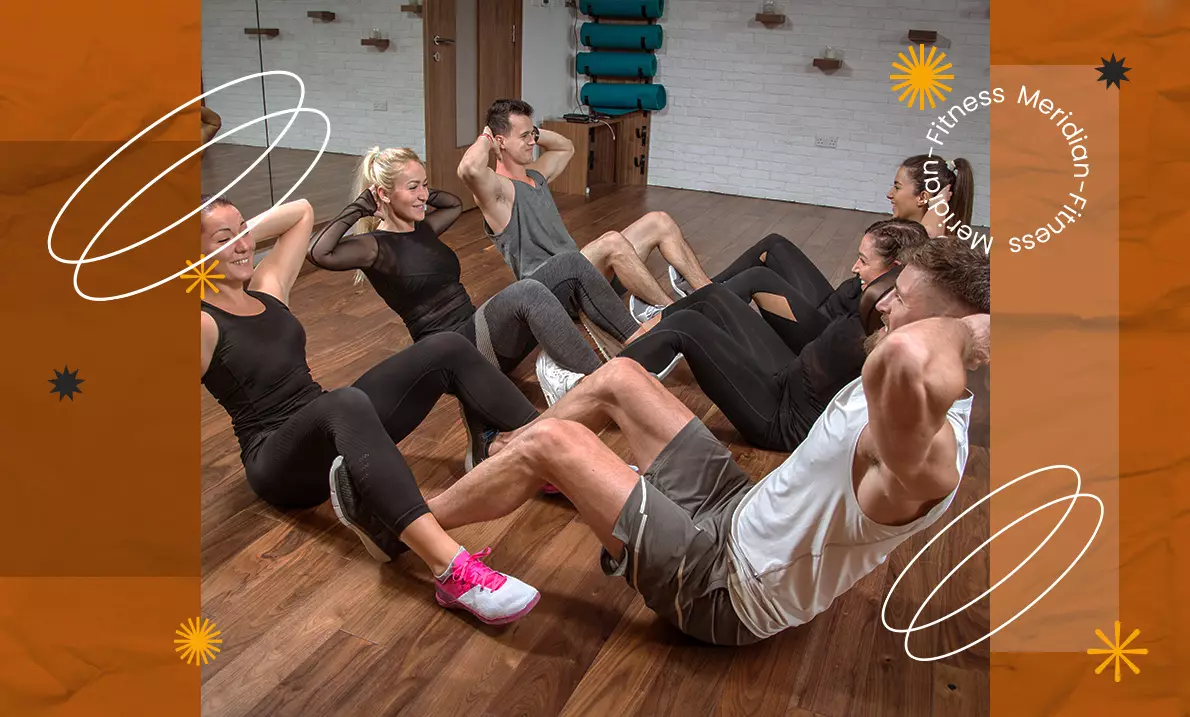
If you have been searching for LBT classes near me, you may want a workout that builds strength, improves fitness, and targets your legs, glutes, and core. Legs, Bums and Tums (LBT) classes bring these goals together in one structured session.
The main benefits of LBT classes include stronger legs and glutes, improved core strength, better muscular endurance, improved balance, and general fitness. Depending on the exercises and intensity, an LBT session can also provide a cardiovascular workout. Our LBT classes in Greenwich offer a way to work on these areas in a guided group setting. You can follow a planned routine rather than deciding which exercises to do on your own.
It is worth understanding what LBT can and cannot do, though. Regular sessions can help strengthen muscles and improve conditioning, but they cannot selectively remove fat from your thighs, stomach, or bum. Changes in body composition depend on several factors, including your overall activity, nutrition, and consistency. So, is LBT good for you? It can be a useful option if you want to combine lower-body exercises, core work,k and fitness training in one class. Let’s look at the main benefits and what you can realistically expect.
What Are the Main Benefits of LBT Classes?
LBT classes focus on the legs, glutes, and abdominal area. Depending on the session, exercises may use body weight, resistance equipment, and movements that raise your heart rate. These benefits depend on the exercises, resistance, effort, and frequency of your sessions. A class can support your fitness goals, but progress also depends on your wider training routine and recovery.
The main benefits of LBT classes include:
- Stronger legs: Squats, lunges and similar exercises challenge the muscles used for walking, climbing stairs and standing up.
- Stronger glutes: Hip-focused movements work the muscles that help extend and stabilise the hips.
- Improved core strength: Abdominal and stability exercises help you control your body during movement.
- Better muscular endurance: Repeated exercises can help your muscles keep working for longer before fatigue sets in.
- Improved balance and stability: Controlled movements challenge coordination and the muscles that support your joints.
- Cardiovascular conditioning: Faster-paced sections may raise your heart rate and contribute to your overall fitness.
- A structured exercise routine: A planned class gives you a clear session to follow.
- Group motivation: Exercising alongside others can make it easier to stay engaged and maintain a regular routine.
Does LBT Strengthen Your Legs?
Yes, LBT classes can help strengthen your legs when the exercises consistently challenge your muscles.
Many LBT routines include squats, lunges, step-based movements, and other lower-body exercises. The exact selection varies between classes, but these movements can work several important muscle groups.
Quadriceps
The quadriceps are the muscles at the front of your thighs. They help straighten your knees and support movements such as standing up, climbing stairs, and rising from a squat. Squats and lunges are common ways to challenge these muscles. As you become more comfortable with the movements, your instructor may offer progressions to increase the challenge.
Hamstrings
The hamstrings sit at the back of your thighs. They help bend your knees and contribute to hip movement. Depending on the routine, exercises that involve bending your knees, controlling your movement, or extending your hips can challenge the hamstrings.
Calves
Your calf muscles help you push through your feet when walking, running, and climbing stairs. Step-based exercises and movements that involve raising your heels can work these muscles.
Hip muscles
Your hips play an important role in controlling leg movement and maintaining your body’s stability. Exercises that involve stepping to the side, balancing on one leg, or controlling a lunge can challenge the muscles around the hips. The benefit goes beyond appearance. Stronger leg muscles can make everyday movements feel more manageable and support your performance in other forms of exercise.
Does LBT Strengthen Your Glutes?
Yes, LBT classes can strengthen your glutes through exercises that involve extending and stabilising your hips. Your glutes are not just one muscle. They include the gluteus maximus, gluteus medius, and gluteus minimus. Together, these muscles help you move your hips, control your legs, and maintain stability.
The gluteus maximus is the largest gluteal muscle. It helps extend your hip, such as when you stand up from a chair, climb stairs, or rise from a squat. The gluteus medius sits on the outer side of your hip. It helps move your leg outwards and keeps your pelvis stable when you stand or move on one leg. LBT exercises such as squats, lunges, and some side-leg movements can challenge these muscles. The amount of work they receive depends on the movement, technique, and resistance used.
This is useful if you want to improve lower-body strength for everyday activities or other workouts. Stronger glutes can support hip control during walking, running, and strength training. However, not every LBT class will build muscle to the same degree. Muscle development depends on factors such as training difficulty, progressive resistance, recovery, and consistency. If building substantial muscle is your main goal, you may also benefit from a progressive strength-training programme.
Does LBT Strengthen Your Core?
Yes, LBT classes can help improve core strength when they include exercises that challenge your abdominal and trunk muscles. Your core does more than create the appearance of defined abs. It helps control your torso, maintain stability, and transfer force between your upper and lower body.
For example, your core helps you stay upright during a lunge, control your position during a squat, and maintain balance when moving from one leg to the other. Depending on the session, LBT may include abdominal exercises, controlled leg movements, and stability work. These can challenge your ability to keep your body steady while your limbs move. A stronger, better-controlled core can support balance and movement during everyday tasks and other forms of exercise. It can also help you maintain better control of your position while performing exercises. It is important to separate core strength from visible abdominal definition, though. Strengthening your abdominal muscles does not automatically make them visible. Their appearance is also influenced by body-fat levels and individual body composition.
Does LBT Actually “Tone” Your Body?
LBT can help strengthen and develop muscles, which may contribute to a more defined appearance over time. However, toning is not a separate biological process, and LBT cannot target fat loss in specific areas. When people talk about toning their legs, bum, or stomach, they usually mean improving muscle development and achieving a more defined appearance.
Two factors influence this:
- Muscle development: Resistance exercises challenge your muscles and can help them become stronger and, with suitable training, larger.
- Body composition: The amount and distribution of body fat influence how visible your muscles are.
LBT classes can support the first factor by providing lower-body and core exercises. Their effect on body composition depends on your overall activity, nutrition, and other individual factors.
For example, regularly attending LBT classes may help you become stronger at squats and lunges. You may also notice better control during exercises and greater muscular endurance. Visible changes, however, vary from person to person. One important distinction is that you cannot choose where your body loses fat simply by exercising that area. Abdominal exercises strengthen the muscles around your stomach, but they do not guarantee a reduction in belly fat. The same applies to exercises for your thighs and glutes. If your goal is to improve muscle definition, combine regular exercise with a balanced approach to nutrition, recovery, and general activity. This is more realistic than expecting a single class to change a specific body area.
Can LBT Help With Weight Loss?
LBT can contribute to weight loss by increasing your energy expenditure, particularly when the class involves sustained movement and challenging exercises. However, attending LBT classes does not guarantee weight loss. Weight loss over time depends largely on energy balance: the relationship between the energy you consume and the energy your body uses. Several factors influence this process.
- Exercise: LBT adds physical activity to your routine. The energy used during a session depends on its intensity, duration,n and your individual characteristics.
- Overall activity: Your movement outside class also matters. Walking, cycling, taking the stairs, and other everyday activities all contribute to your total energy expenditure.
- Nutrition: Your overall eating habits influence energy balance. A sustainable approach to food is generally more useful than trying to compensate for every workout by eating less.
- Consistency: One class can be a useful start, but regular activity over time is more important than occasional intense sessions.
- Recovery: Rest and adequate sleep support your ability to keep exercising consistently.
Can LBT Improve Balance and Stability?
LBT classes can help improve balance and stability when the routine includes controlled movements that challenge coordination and lower-body strength. Balance involves more than standing still without falling. Your body needs to adjust its position as you walk, turn, climb stairs, and move between different surfaces. Exercises that involve stepping, lunging, or working on one leg can challenge the muscles responsible for keeping your body stable. Core exercises can also help you control your torso while your legs move.
Hip strength is another part of the picture. The muscles around your hips help control your pelvis and legs during single-leg movements. With regular practice, you may become more familiar with the movements and better able to control your position during exercises. Improvement depends on the exercises you do and your starting fitness level. If balance is a particular concern, or you have an injury that affects your movement, speak to a qualified professional about suitable exercises before joining a class.
Can LBT Improve Cardiovascular Fitness?
LBT can contribute to cardiovascular fitness when the class includes enough continuous or repeated activity to challenge your heart and breathing. Although LBT mainly targets the lower body and core, some sessions include faster-paced movements or short cardio intervals. These sections can raise your heart rate while you work through the routine.
A class with frequent cardio intervals may feel more demanding than one that focuses mainly on controlled resistance exercises. LBT is not necessarily a replacement for dedicated cardiovascular training. If your goal is to improve stamina, you may want to combine it with activities such as brisk walking, cycling, swimming,ng or other cardio fitness classes in Greenwich.
How Long Does It Take to Feel the Benefits of LBT?
There is no single timeline for experiencing the benefits of LBT classes. Some changes may become noticeable relatively quickly, while improvements in strength and conditioning generally require consistent practice over time.
Here is what you may notice as you continue training.
At first: greater familiarity and coordination
During your first few classes, you may focus on learning the movements, following the instructor, and finding a pace that suits you. Exercises that initially feel unfamiliar may become easier to follow with practice.
With continued practice: better exercise tolerance
As you attend regularly, you may find that you can complete more of the routine comfortably or recover more easily between exercises. These changes depend on how challenging the sessions are and how your body responds.
Over the longer term: improvements in strength and conditioning
Consistent training can help improve muscular strength and endurance. Progress may become noticeable in the way you perform exercises, maintain control, and manage challenging sections of the class.
Visible changes in body composition can take longer and are influenced by more than exercise alone.
Your progress will depend on several factors, including:
- How often you attend LBT classes.
- The intensity and difficulty of the exercises.
- Whether the training challenge increases as you improve.
- Your nutrition, sleep,p and recovery.
- Your starting fitness level.
- Other exercise you do during the week.
Rather than expecting a fixed result within a set number of weeks, focus on practical changes. Are your squats more controlled? Can you complete the routine with less fatigue? Do you feel more confident during exercise?
These are useful ways to assess progress without relying solely on appearance.
Where Can You Take LBT Classes in Greenwich?
If you are looking for LBT classes in Greenwich, we offer Legs, Bums and Tums sessions at our club on Creek Road, Greenwich, London.
Our LBT classes combine lower-body and core-focused exercise in a guided group setting. They offer an option for people who want to work on strength, muscular endurance and general fitness as part of a regular exercise routine.
Before booking, check the current timetable to find a session that fits your schedule. If you are new to LBT, let the instructor know so you can ask about the movements and any suitable modifications.
You can find session information and booking details on our LBT classes near Greenwich and Deptford page. If you want to explore other ways to build cardiovascular fitness, take a look at our cardio fitness classes in Greenwich.
FAQs
Is LBT good for losing weight?
LBT can support weight loss by adding physical activity to your routine and increasing energy expenditure. Results depend on your overall energy balance, nutrition, everyday activity, and consistency. It is best viewed as one part of a broader approach to weight management.
Can LBT reduce belly fat?
LBT may strengthen your abdominal muscles, but it cannot guarantee fat loss specifically around your stomach. Fat loss occurs through changes in overall body composition, and where your body stores or loses fat varies from person to person.
Does LBT build muscle?
LBT can help develop muscular strength and may support muscle growth when the exercises provide enough resistance and challenge. The results depend on the routine, progression, frequency and recovery. People seeking substantial muscle growth may also need a more targeted resistance-training programme.
Does LBT improve fitness?
Yes, LBT can improve aspects of fitness, including muscular strength, endurance and, when the session includes sufficiently challenging continuous activity or intervals, cardiovascular conditioning. The improvements you experience depend on the class format and your wider exercise routine.
Is LBT better than going to the gym alone?
Neither option is automatically better. LBT offers a planned session and group instruction, which some people find motivating. Training independently can give you more control over exercise selection, resistance, and progression. The better option is the one that suits your goals and that you can follow consistently. You can also combine both.
Conclusion
The benefits of LBT classes go beyond working on your legs, glutes, and stomach. Regular sessions can help you build lower-body and core strength, improve muscular endurance, challenge your balance, and enhance your overall fitness.
The key is to keep your expectations realistic. LBT does not guarantee weight loss or selectively remove fat from particular areas, and progress will vary from person to person. What matters is finding a routine that challenges you appropriately and that you can maintain alongside other physical activity and adequate recovery. If you are searching for LBT classes near me, explore the sessions at Meridian Fitness in Greenwich. Check our timetable, find a class that suits your schedule, and take the next step towards a more consistent fitness routine.