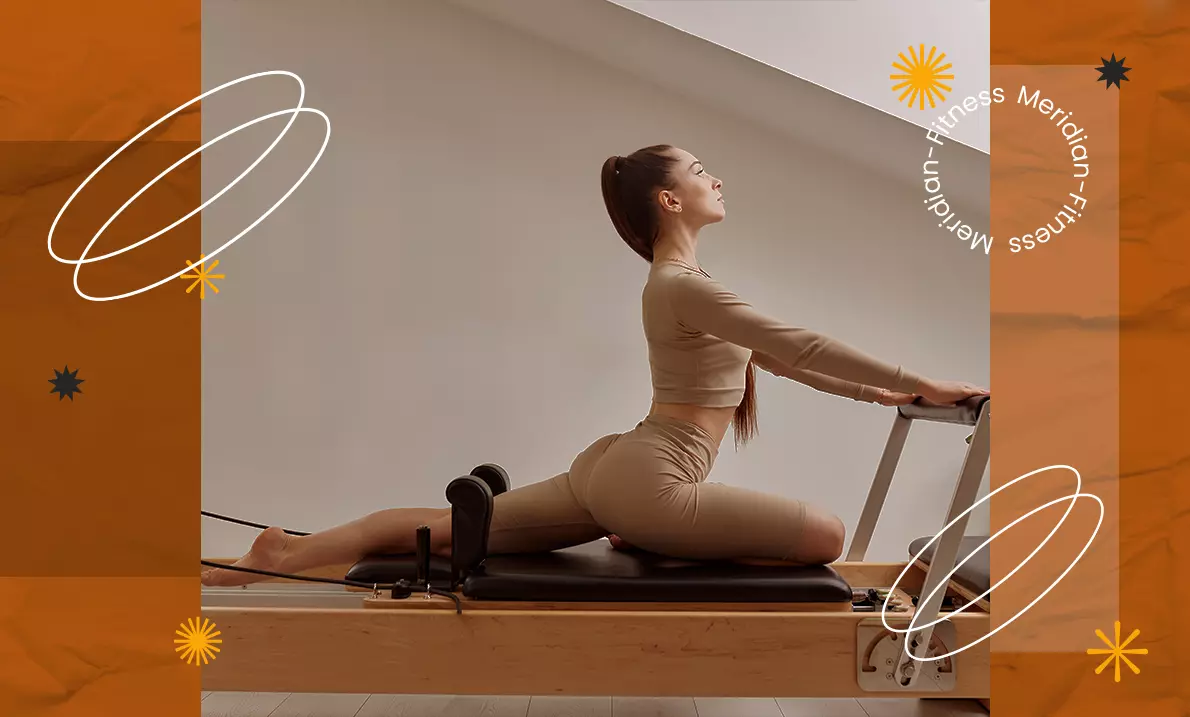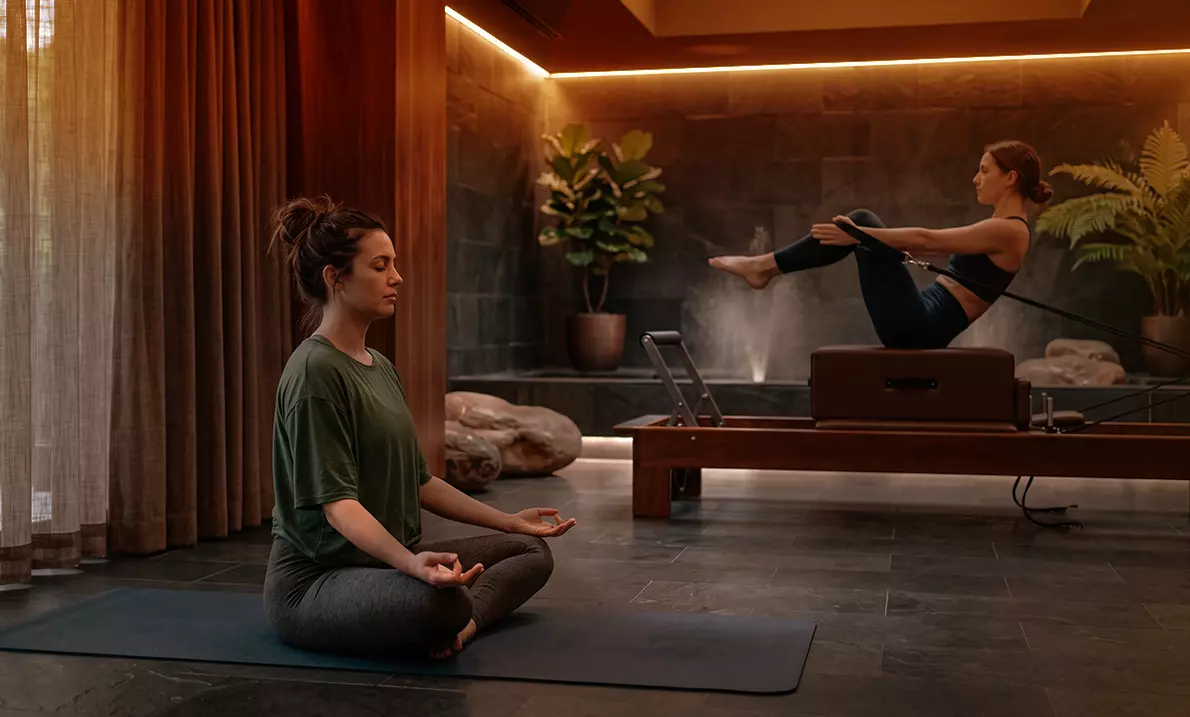
London offers hundreds of yoga and Pilates options, but the right class depends on what you want to improve: strength, flexibility, posture, mobility, stress management or overall fitness. Both practices train the body and the mind together. Yoga leans towards flexibility, breathing and balance; Pilates leans towards core strength, stability and control. Pick by goal first, style second, and studio third.
Why yoga and Pilates have become popular in London
The rise is practical rather than fashionable. Most Londoners spend eight or more hours a day sitting at a desk, then another hour or two sitting on a train or bus. Hips tighten, upper backs round forward, and by Thursday the neck aches. Neither problem is fixed by running harder.
Yoga and Pilates directly address that pattern. They are low-impact, so people recovering from injury or simply tired of pounding the pavement can train without stressing their joints. They build strength without a barbell, which appeals to people who want to feel stronger but have no interest in a weights room. And they slot into a working day: a 45-minute lunchtime class or a 6.30pm session after the office, rather than a two-hour gym block.
Three groups drive most of the demand. Professionals who want strength and mobility without a high-impact workout. People who need a structured way to switch off after work. And beginners who find a mat class less intimidating than a gym floor.
Yoga vs Pilates: understanding the difference
The two overlap more than most people expect. Both use breath to control movement, both improve body awareness, and both can be gentle or demanding depending on the class. Where they differ is emphasis.
| Yoga | Pilates | |
| Main focus | Flexibility, breathing, balance | Core strength, stability, control |
| Movement style | Flow-based sequences held and linked | Controlled, precise repetitions |
| Best for | Mobility and relaxation | Strength and posture |
| Training feel | Mind-body practice | Functional conditioning |
If you want the longer version of this comparison, including which one burns more energy and which suits back pain, read our Pilates vs yoga guide. To choose a class, the table above is sufficient.
Which yoga style should you try in London?
London studios list a dozen yoga styles, but four cover most of what people actually want.
Flow yoga
Flow links poses in a steady, moderate sequence with attention to breathing. It is the style most beginners should start with, because the pace gives you time to learn each position and the class ends with relaxation rather than exhaustion. Choose it if you want movement and calm in the same hour.
Vinyasa yoga
Vinyasa is flow with the tempo turned up. Poses move one breath at a time, so the class feels continuous and builds warmth quickly. It suits people who already enjoy moving, want to improve mobility in the hips and shoulders, and find slow classes frustrating.
Aerial yoga
Aerial yoga uses a silk hammock suspended from the ceiling. The hammock supports your weight, so inversions and deep stretches become accessible without strain, and the spine gets a gentle decompression. Choose it for a different experience, for flexibility, or for body awareness you cannot get on a mat.
Gentle yoga
Slower, longer holds, more time on the floor. Gentle or soft yoga is ideal for a recovery day, stress relief, anyone returning from injury, and people over 50 who want to move without pressure. It is not a lesser class; it is a different tool.
Meridian’s yoga classes in Greenwich cover Flow, Vinyasa, Aerial, dance yoga and a 90-minute extended session, so you can try more than one style on a single timetable.
Which Pilates class is right for you?
Pilates formats differ by equipment and by how much yoga is mixed in.
Mat Pilates
The foundation. Bodyweight exercises on a mat, built around the core, glutes, and the muscles that support the spine. Start here if you are new, if you want a stronger core, or if your posture has slipped from years at a desk. Most classes run 45 or 60 minutes.
Pilates on the Ball
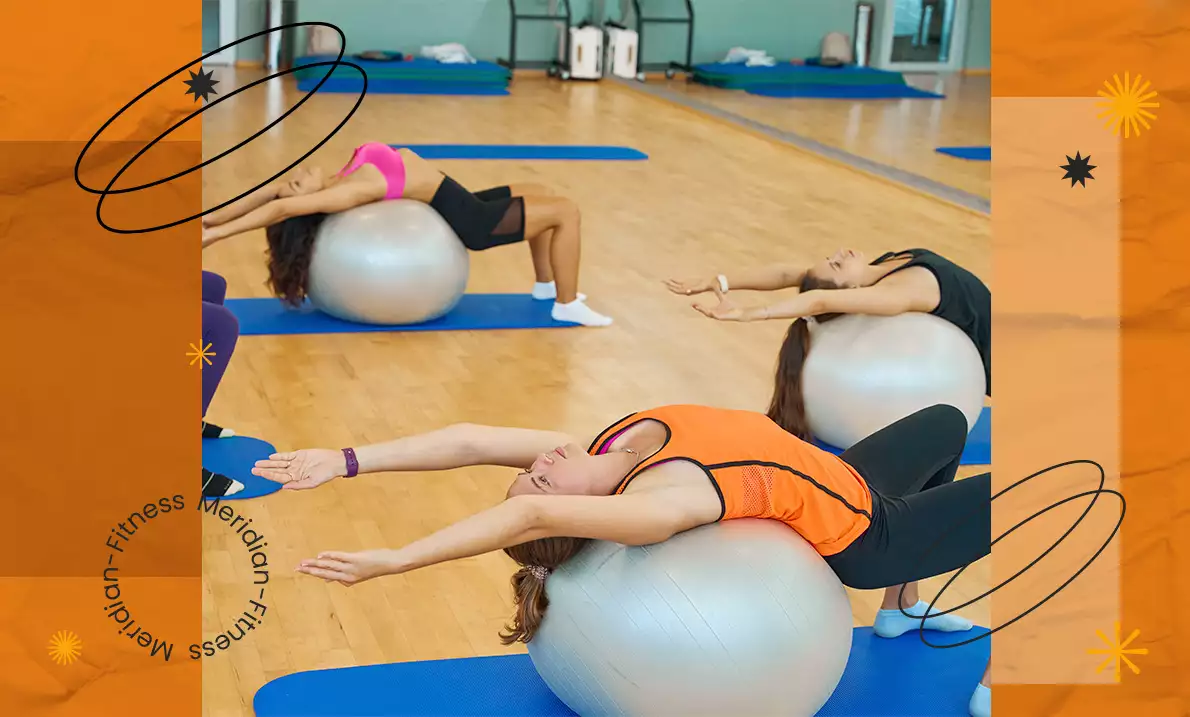
The same principles performed on and around a stability ball. The unstable surface forces the deep stabilising muscles to work harder, so balance and control improve faster. Choose it once mat work feels comfortable, and you want the next challenge.
Yogilates
A fusion of yoga’s stretching and breathing with Pilates’ core work. It suits people who enjoy both practices and want one class that covers strength and mobility, or people who find pure Pilates too repetitive.
Aerial Yogalates
Yogalates in a hammock. The silk takes some of your weight, so you can perform core exercises inverted and stretch deeper. Choose it if you are comfortable upside down and want something that feels nothing like a standard gym class.
All four formats run on the Pilates classes timetable at Meridian, with sessions from £15.
Yoga and Pilates for different fitness goals
This is the part most guides skip. Styles matter less than matching the practice to the problem you are trying to solve.
If you sit at a desk all day
Book Pilates first, then Flow yoga. Mat Pilates rebuilds the core and glute strength that sitting switches off, which helps hold the pelvis and spine in a better position. Flow yoga opens the hip flexors and chest that shorten over the course of a working week. Together they improve posture, reduce stiffness and restore the mobility a chair takes away.
If you want better flexibility
Yoga, specifically the styles that hold poses: flow, gentle yoga, and aerial yoga. Pilates improves range of motion in the spine and hips, but yoga spends far more of the hour in sustained stretches, which lengthen tight muscles over time.
If you want stronger core muscles
Pilates. Every Pilates exercise is built around the centre of the body, and Pilates on the Ball adds instability, recruiting the deep stabilisers. Yoga strengthens the core too, but as a by-product of holding poses rather than as the main event.
If you feel stressed after work
Yoga. The combination of breath control, slow movement, and a closing relaxation lowers mental noise after a difficult day. Flow or gentle yoga in the evening works; Vinyasa works for people who need to burn energy before they can settle.
If you want a balanced weekly routine
Alternate them. A practical week looks like this:
| Day | Class | Purpose |
| Monday | Mat Pilates | Core strength and posture to start the week |
| Wednesday | Flow or Vinyasa yoga | Mobility and a mid-week reset |
| Saturday | Yogilates or gentle yoga | Combined strength and stretch, lower intensity |
Three sessions cover strength, flexibility and recovery without any of them competing for the same tired muscles.
Can beginners join yoga and Pilates classes in London?
Yes, and the three worries people bring to their first class are all answerable.
“I’m not flexible, can I still join?” Flexibility is the result of practice, not a prerequisite. Nobody in a beginner class touches their toes on day one, and instructors offer modifications for every pose. Stiffness is the reason to come, not the reason to stay away.
“Do I need experience?” No. Beginner-friendly classes exist across London, and a good instructor will spot a first-timer and coach accordingly. Flow yoga and Mat Pilates are the two formats designed to be started cold.
“What should I bring?” Comfortable clothing you can move in, a water bottle, and a mat if the venue asks for one. Most gyms, Meridian included, provide mats, blocks, straps and balls, so you can turn up with nothing but yourself.
How often should you practise yoga or Pilates?
Consistency beats intensity. Two well-attended classes a week produce more change than a burst of five followed by a month off.
Beginner: one or two sessions a week for the first six to eight weeks. This lets the body adapt and gives you time to learn the movements properly.
Regular: two to four sessions a week once the basics feel natural. This is the range where posture, strength and flexibility improve noticeably.
Combination approach: two Pilates sessions and one or two yoga sessions a week is the pattern most instructors recommend for general fitness, because the practices cover each other’s gaps.
Rest days still matter. Yoga and Pilates are low-impact, but the deep muscles they train need recovery like any other.
What should you look for when choosing a yoga and Pilates class in London?
Once you know your goal and your style, four practical things separate a class you attend from a class you quit.
Qualified instructors
Look for recognised UK fitness qualifications, such as Active IQ accreditation at Level 2 to Level 4, and for instructors who correct form during the class rather than demonstrating from the front. In Pilates especially, doing an exercise wrong builds the wrong muscles. Guidance is the product you are paying for. Our Pilates class checklist goes into instructor credentials in more detail.
Class timetable
The best class is the one you can actually reach. Check for early sessions before work, evening sessions from 6pm, and weekend options. A timetable that only runs at 11am on weekdays is a timetable for someone else.
Location convenience
In south-east London, the practical catchment runs from Greenwich and Deptford to Blackheath, with Canary Wharf a short DLR hop across the river. A class within ten minutes of home or a station gets attended; one that needs a 40-minute journey does not survive a rainy November.
Class variety
A good facility offers different levels and formats under one roof, so you can move from Flow to Vinyasa, or from Mat Pilates to Ball Pilates, without changing venues or paying for a second membership. It also means you can try a style you would never have booked on its own.
Why choose Meridian Fitness for yoga and Pilates in London?
Meridian Fitness is a convenient option for people looking for yoga and Pilates in one place in south-east London. The health club sits on Creek Road in Greenwich, a short walk from Deptford station and Cutty Sark DLR, and is easy to reach from Blackheath, Rotherhithe, Bermondsey and Canary Wharf. It has been part of the Greenwich fitness community since 2012.
Yoga and Pilates run under one membership on the same weekly timetable. Yoga formats include Flow, Vinyasa, Aerial and dance yoga, plus a 90-minute extended class; Pilates formats include Mat Pilates, Pilates on the Ball, Yogilates Fusion and Aerial Yogalates. Every session is instructor-led by trainers with Active IQ qualifications from Level 2 to Level 4, and mats, blocks, straps and balls are provided.
Because the classes are held in a full health club, you can pair a Pilates session with the gym floor or finish a yoga class in the sauna and steam room. Browse the full fitness class timetable to see which classes run on which day.
Frequently asked questions
What is the difference between yoga and Pilates?
Yoga is a mind-body practice built on flexibility, breathing and balance, using flowing sequences and held poses. Pilates is functional conditioning built on core strength, stability and controlled, precise movement. Both are low-impact and improve posture; yoga spends more time stretching, while Pilates spends more time strengthening.
Is yoga or Pilates better for beginners?
It depends on the goal. Beginners who want to move more and switch off should start with Flow yoga. Beginners who want a stronger core and better posture should start with Mat Pilates. Both formats are designed to be started with no experience.
Can I do yoga and Pilates together?
Yes, and it is the routine most instructors recommend. Pilates builds the strength that holds good posture; yoga restores the flexibility that sitting removes. Two Pilates sessions and one or two yoga sessions a week is a balanced pattern.
How much do yoga and Pilates classes cost in London?
Prices depend on the format, the location and whether the class is booked individually or included in a membership. Boutique reformer studios in central London charge the most per session; group mat classes inside a gym membership cost the least. At Meridian Fitness, Pilates classes start from £15 for a 45- or 60-minute session, and both yoga and Pilates are included in the club’s class membership.
Are yoga and Pilates suitable for all ages?
Yes. Both practices scale to the person, and instructors offer modifications for every exercise. Gentle yoga and Mat Pilates are the formats most suited to older adults, anyone returning after a break, and complete beginners, because the pace is slower and the movements are easier to control.
Choosing your first class
Decide what you want to change, pick the practice that targets it, then find a timetable and a location you can stick to. Posture and stiffness point to Pilates; flexibility and stress point to yoga; a balanced week uses both. Book one class of each, notice which one you look forward to, and build from there.