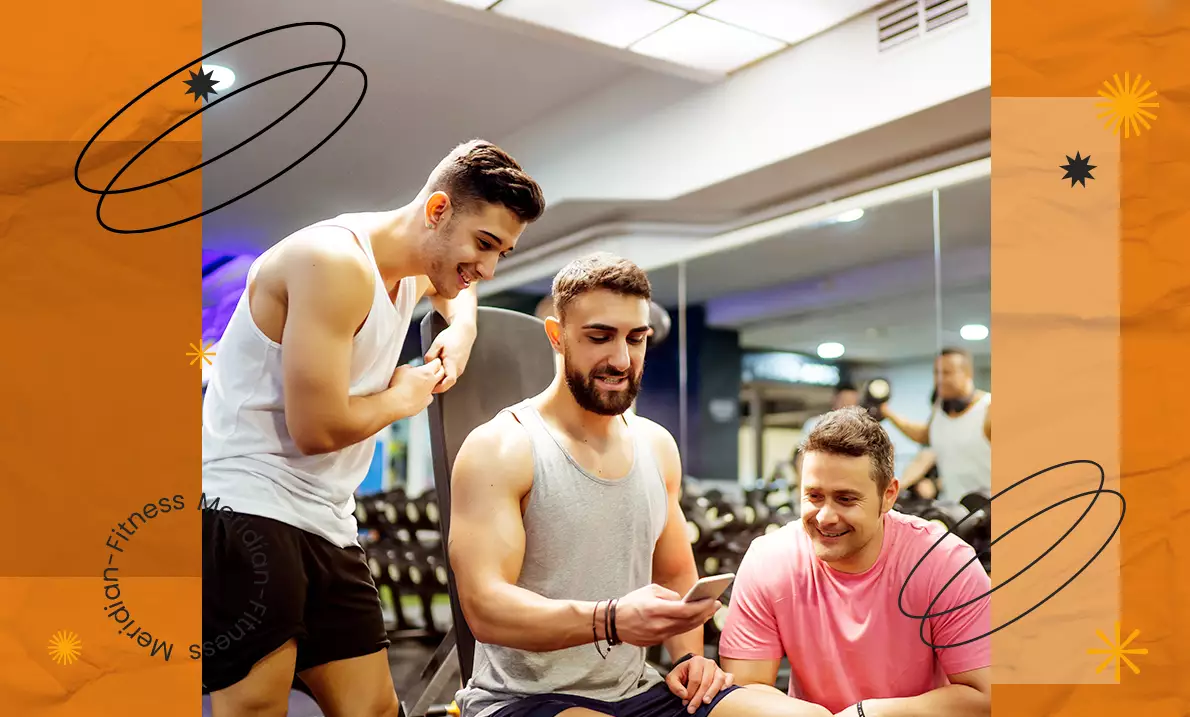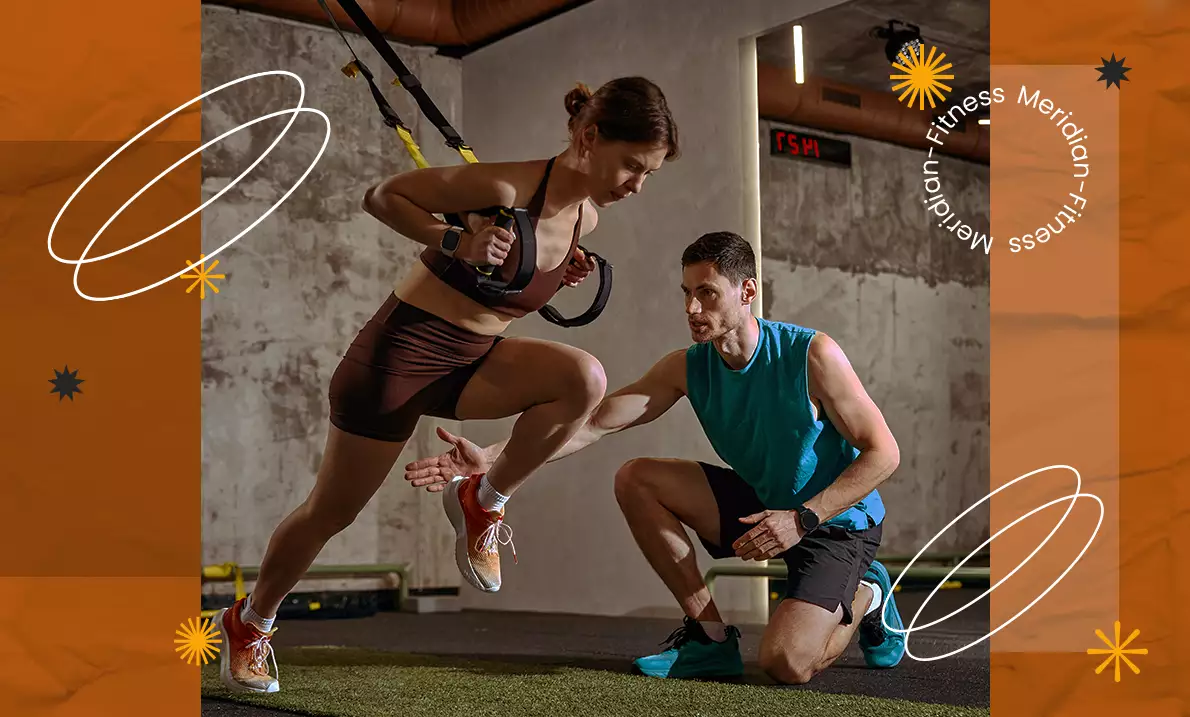
Thinking about booking your first personal training session, but unsure what will happen?
You are not alone.
Many people search for a personal trainer near me, a few options, then pause. You may worry about being judged, pushed too hard, or feeling out of place because you are not already fit. Maybe you have not trained for years. Maybe you want to lose weight, build strength, or feel healthier, but you do not know where to start.
The truth is simple: your first personal training session is not designed to break you. It is designed to understand you.
A good personal trainer in Greenwich will use it to learn about your goals, fitness level, lifestyle, health history, confidence, and worries. It is not a test. It is a starting point.
STARTING PERSONAL TRAINING? HERE’S WHY YOUR FIRST SESSION MATTERS MORE THAN YOU THINK
Your first session sets the foundation for your training journey. It helps your trainer understand your starting point and support needs.
IT’S NOT ABOUT HOW FIT YOU ARE TODAY
You do not need to be fit before hiring a trainer. Personal training for beginners is built around your current level. A Greenwich personal trainer may work with beginners, busy professionals, returning clients, weight-loss clients, and nervous gym users.
Your starting point is useful information.
BUILD A PLAN THAT FITS YOUR LIFESTYLE
A plan only works if it fits your real life. Your trainer may ask about:
- Work schedule
- Family commitments
- Sleep and stress
- Previous training
- Injuries
- Exercise preferences
- Training availability
The best programme is one you can follow:
BEFORE YOU ARRIVE: HOW TO PREPARE FOR YOUR FIRST PT SESSION
You do not need to prepare like an athlete. Arrive ready to move and talk honestly.
WHAT TO BRING WITH YOU
Bring:
- Comfortable gym clothing
- Supportive trainers
- Water bottle
- Small towel
- Medical or injury information
Choose clothes you can move in freely.
WHAT YOUR TRAINER MAY ASK BEFORE YOU START
Before exercising, your trainers may ask about injuries, medical conditions, medication, exercise history, daily activity, goals, sleep, stress, and fitness barriers.
QUESTIONS WORTH THINKING ABOUT BEFOREHAND
Ask yourself:
- Why do I want personal training?
- How would I like to improve?
- Have I struggled with consistency?
- What coaching style helps me?
- What has stopped me before?
If you are still comparing trainers, this guide on how to find the right PT near me in Greenwich can help you choose with more confidence.
STEP ONE: GETTING TO KNOW YOU AND YOUR GOALS
The first part feels like a conversation. Your trainer wants to understand the person behind the goal.
DISCUSSING YOUR FITNESS JOURNEY
Your trainer may ask what you have done before, what felt difficult, and why you stopped. This helps them avoid giving you another plan that does not suit you.
IDENTIFYING YOUR GOALS AND MOTIVATIONS
Your goals may include:
- Losing body fat
- Building muscle
- Improving strength
- Increasing energy
- Reducing stiffness
- Improving posture
- Building confidence
- Creating a routine
A good trainer will ask why your goal matters.
UNDERSTANDING WHAT’S HELD YOU BACK PREVIOUSLY
Common barriers include a lack of time, a lack of motivation, gym anxiety, injury worries, poor sleep, or not knowing what to do. Once your trainer understands the barrier, they can plan around it.
THE FITNESS ASSESSMENT: WHAT YOUR TRAINER IS REALLY LOOKING FOR
A fitness assessment is not a pass-or-fail test. It helps your trainer understand how your body moves and what support you need.
HEALTH AND LIFESTYLE SCREENING
Your trainer may ask about your medical history, injuries, job, activity level, sleep, stress, and energy. Desk workers may need more mobility and posture work.
Posture and Movement Analysis
Your trainer may observe how you stand, squat, bend, reach, push, or walk. They are looking for stiffness, imbalances, and control.
Mobility and Flexibility Checks
Mobility checks may look at your hips, shoulders, ankles, spine, and hamstrings. This shows how freely your body moves.
Basic Strength and Conditioning Assessments
You may perform bodyweight squats, step-ups, wall press-ups, light dumbbell movements, core drills, or short cardio work. Everything is adjusted to your level.
Establishing Your Fitness Baseline
Your baseline may include strength, stamina, mobility, posture, technique, and confidence. Later, this helps you see progress.
WILL YOU ACTUALLY WORK OUT DURING YOUR FIRST SESSION?
In most cases, yes, but it should be controlled and suitable.
WHAT A TYPICAL INTRODUCTORY WORKOUT LOOKS LIKE
A first workout may include:
- Gentle warm-up
- Mobility work
- Movement checks
- Light strength exercises
- Core stability
- Low-impact cardio
- Cool-down stretches
The goal is learning.
LEARNING THE PROPER TECHNIQUE BEFORE INCREASING INTENSITY
Your trainer will focus on posture, breathing, control, and safe equipment use before adding intensity.
WHY GOOD FORM COMES BEFORE HEAVY WEIGHTS
Good form helps you train safely. Heavier weights can come later.
COMMON EXERCISES YOU MAY BE ASKED TO PERFORM
Your trainer will choose exercises based on your goals and ability. Common examples include:
- Squats: assess lower-body strength, hip mobility, balance, and core control.
- Lunges: show leg strength, coordination, and stability.
- Push Movements: may include wall press-ups, incline press-ups, dumbbell presses, or machine presses.
- Core Exercises: may include planks, dead bugs, carries, or breathing drills.
- Cardio Checks: may include walking, cycling, rowing, or low-impact intervals.
WHAT YOUR PERSONAL TRAINER IS ASSESSING THROUGHOUT THE SESSION
Your trainer is not just counting reps. They are watching:
- Movement Quality: Are your movements controlled, stable, comfortable, and safe?
- Coordination and Balance: Do you need extra support on one side?
- Strength Levels: What is the right starting point for your body?
- Confidence: Do you need slower coaching, clearer explanations, or reassurance?
- Injury Risks: Is there pain, poor control, limited mobility, or anything that needs adapting?
WHAT HAPPENS AFTER THE ASSESSMENT?
After the assessment, your trainer begins building your plan.
REVIEWING YOUR RESULTS
Your trainer should explain what you did well, what needs work, and what your first training phase should focus on.
CREATING A PERSONALISED TRAINING PLAN
Your plan may include strength training, cardio, mobility, core work, posture support, recovery advice, habit coaching, and progress tracking. This is a major benefit of professional guidance.
SETTING REALISTIC MILESTONES
Early milestones may include:
- Training once or twice per week
- Improving squat technique
- Increasing steps
- Building gym confidence
- Lifting slightly heavier weights
- Feeling more energetic
Progress is not only about the scales.
PLANNING YOUR WEEKLY SCHEDULE
Your trainer will help you plan your weekly training. For more insight, read these top reasons to choose a PT near you in Greenwich, London.
HOW PERSONAL TRAINING DIFFERS FROM FOLLOWING A GENERIC GYM PROGRAMME
A generic plan can give you exercises, but it cannot watch your form, understand your lifestyle, or adjust when life gets busy.
PERSONALISATION
Personal training in Greenwich, London, is built around your goals, fitness level, body, injuries, schedule, preferences, and progress.
ACCOUNTABILITY
A trainer helps you show up, stay focused, return after setbacks, and keep going when motivation drops.
FASTER PROGRESS
You may progress better because your plan is reviewed and adjusted regularly.
PROFESSIONAL GUIDANCE
A trainer teaches safe technique, exercise selection, breathing, recovery, and how to train with purpose.
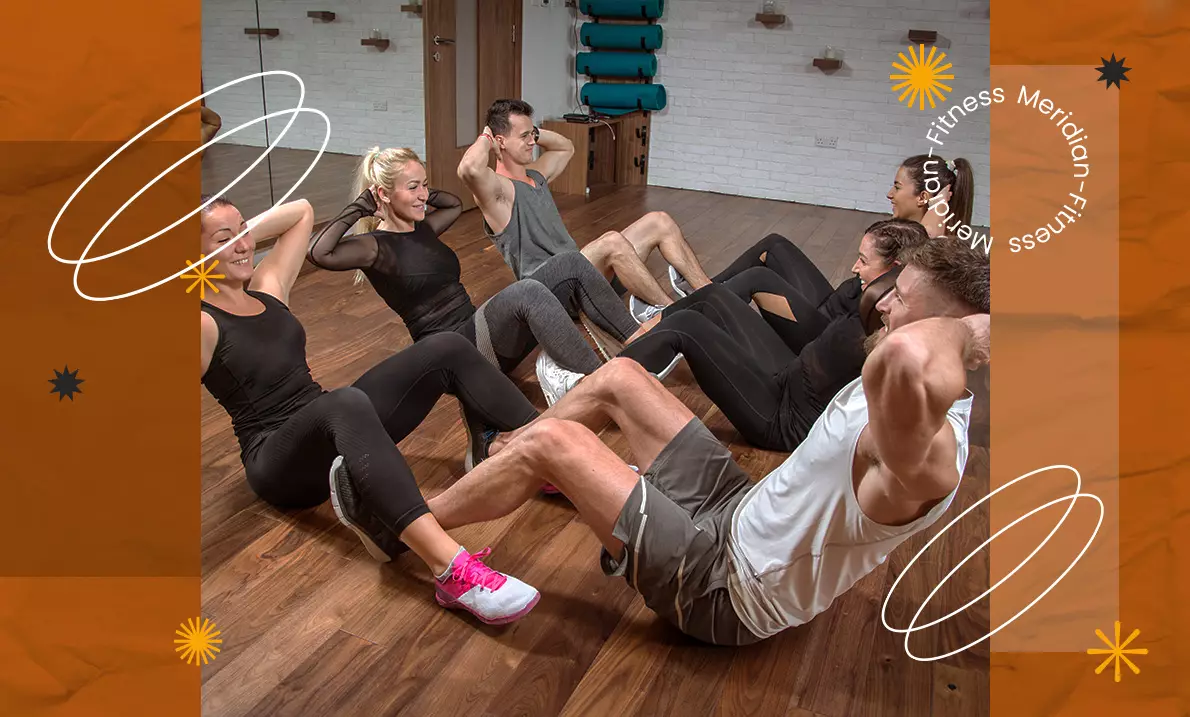
SHOULD YOU CHOOSE ONE-TO-ONE PERSONAL TRAINING OR GROUP COACHING?
Both options can work. The right choice depends on your goals, confidence, budget, and personality.
BENEFITS OF ONE-TO-ONE COACHING
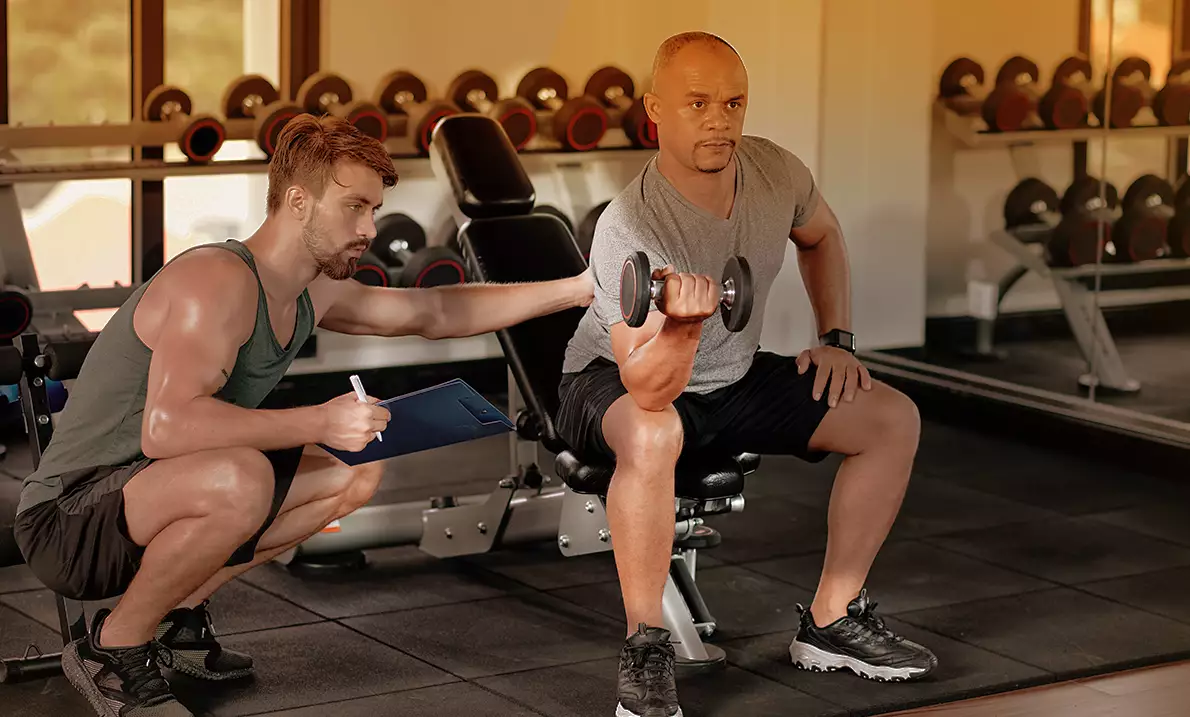
One-to-one coaching gives you full attention. It is ideal if you want a personalised plan, privacy, injury support, detailed technique correction, or extra confidence when starting.
BENEFITS OF SMALL GROUP TRAINING
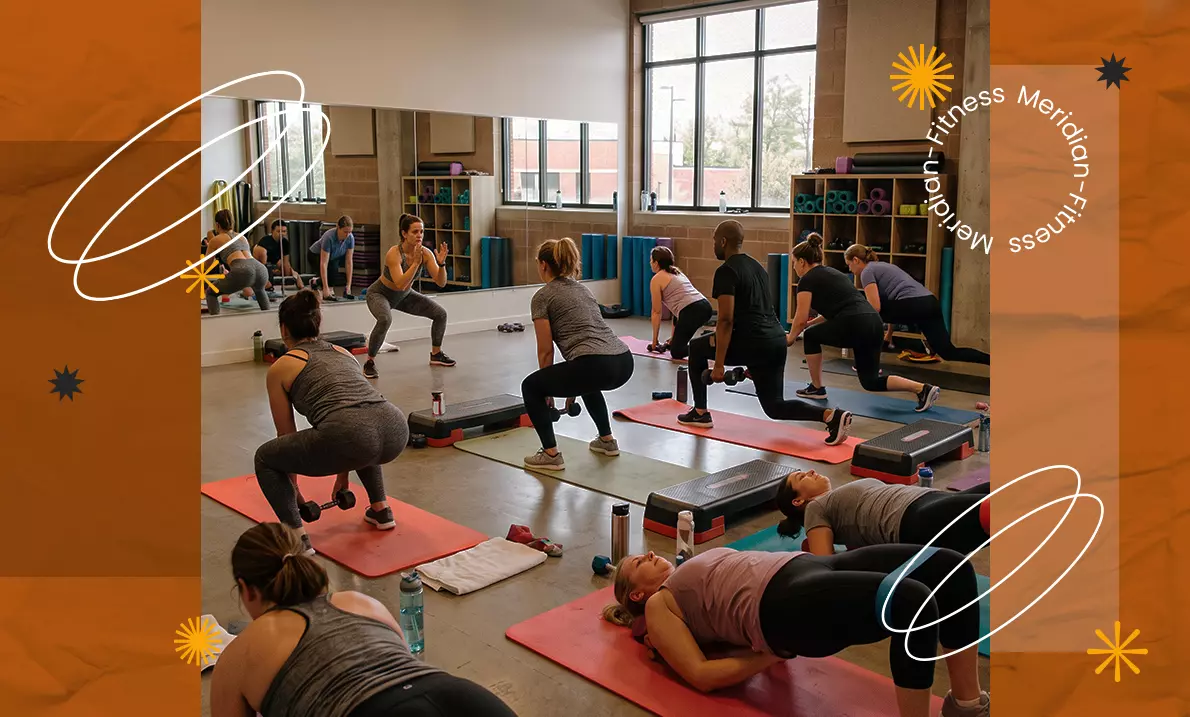
Small group training offers coaching in a social setting. It can suit you if you enjoy shared motivation, structure, community, and a more affordable coaching option.
WHICH OPTION IS RIGHT FOR YOUR GOALS?
Choose one-to-one personal training if you want detailed support. Choose group coaching if you enjoy shared energy. This guide on group PT classes vs 1-on-1 training can help you compare both.
THE BIGGEST MYTHS ABOUT FIRST PERSONAL TRAINING SESSIONS
Many people delay booking because of myths.
“I NEED TO GET FIT BEFORE HIRING A TRAINER”
You do not need to get fit first. A trainer helps you start from your current level.
“THE TRAINER WILL PUSH ME BEYOND MY LIMITS”
A professional trainer should challenge you safely, not punish you.
“PERSONAL TRAINING IS ONLY FOR ATHLETES”
Personal training is for beginners, busy adults, older adults, weight-loss clients, and anyone who wants guidance.
“ONE SESSION WILL TRANSFORM EVERYTHING”
One session will not change everything overnight, but it can give you clarity, confidence, direction, and a realistic plan.
WHAT RESULTS CAN YOU EXPECT DURING YOUR FIRST MONTH?
The first month is about building foundations, not chasing overnight transformation. You may notice:
- Improved Confidence: You feel more comfortable using equipment and asking questions.
- Better Technique: You learn posture, control, breathing, and safer movement.
- More Energy: Regular exercise may improve mood, sleep, and daily movement.
- Greater Consistency: Booked sessions help you build routine and accountability.
- Measurable Progress: This may show through strength, stamina, posture, measurements, confidence, or mood.
FREQUENTLY ASKED QUESTIONS
HOW LONG DOES A FIRST PERSONAL TRAINING SESSION USUALLY LAST?
Most first sessions last 45 to 60 minutes and include consultation, assessment, light exercise, feedback, and next steps.
WHAT SHOULD I WEAR TO MY FIRST PT SESSION?
Wear comfortable gym clothing and supportive trainers. Choose clothes you can move in easily.
WILL I NEED TO COMPLETE A FITNESS TEST?
You may complete a fitness assessment, but it is not pass or fail. It simply helps your trainer understand your current ability.
CAN I START PERSONAL TRAINING IF I’M OVERWEIGHT OR COMPLETELY NEW TO EXERCISE?
Yes. Personal training for beginners is designed for different starting points.
HOW MANY SESSIONS PER WEEK SHOULD I BOOK?
Many beginners start with one to three sessions per week, depending on goals, budget, schedule, recovery, and confidence.
DO PERSONAL TRAINERS PROVIDE NUTRITION GUIDANCE?
Many trainers offer general nutrition guidance around balanced meals, protein, hydration, portions, and healthy habits.
HOW SOON WILL I START SEEING RESULTS?
Confidence, energy, and technique can improve within a few sessions. Physical changes need consistency.
IS PERSONAL TRAINING WORTH IT FOR BEGINNERS?
Yes. It removes guesswork, teaches safe technique, builds confidence, and gives you a clear plan.
WILL MY FIRST PERSONAL TRAINING SESSION BE TOO HARD?
No. A professional trainer will adjust the session to your ability, fitness level, and confidence.
WHAT SHOULD I TELL MY TRAINER BEFORE THE FIRST SESSION?
Tell your trainer about injuries, health conditions, pain, medication, exercise history, goals, and any fears.
CAN I BOOK PERSONAL TRAINING IF I FEEL ANXIOUS ABOUT GOING TO THE GYM?
Yes. A supportive trainer can explain each step, start slowly, teach equipment use, and build confidence gradually.
YOUR FIRST SESSION IS THE START OF SOMETHING BIGGER
Your first personal training session is not about being perfect. It is about beginning with the right support.
From the first conversation to the fitness assessment and personalised plan, every part of the session is designed to understand your body, goals, lifestyle, and confidence level.
A good personal trainer near me search should lead you to someone who listens, adapts, explains, and supports you at a pace that feels right.
Everyone starts somewhere. You do not need to be stronger, fitter, slimmer, or more experienced before you begin. You only need a clear starting point, expert guidance, and a plan that fits your life.
READY TO TAKE THE FIRST STEP?
Whether you want to lose weight, build strength, improve fitness, or feel healthier and more confident, the right guidance can make all the difference.
At Meridian Fitness in Greenwich, every programme begins with a consultation and fitness assessment designed around your goals, experience, and lifestyle.
With Meridian Fitness, you get:
- Personalised Coaching
- Expert Guidance
- Goal-Specific Programming
- Ongoing Accountability
- Supportive Training Environment
- Local Expertise in Greenwich
- Clear Progress Tracking
- Encouragement at Every Stage
Book your first consultation today and discover how personal training in Greenwich can help you train smarter and stay motivated.