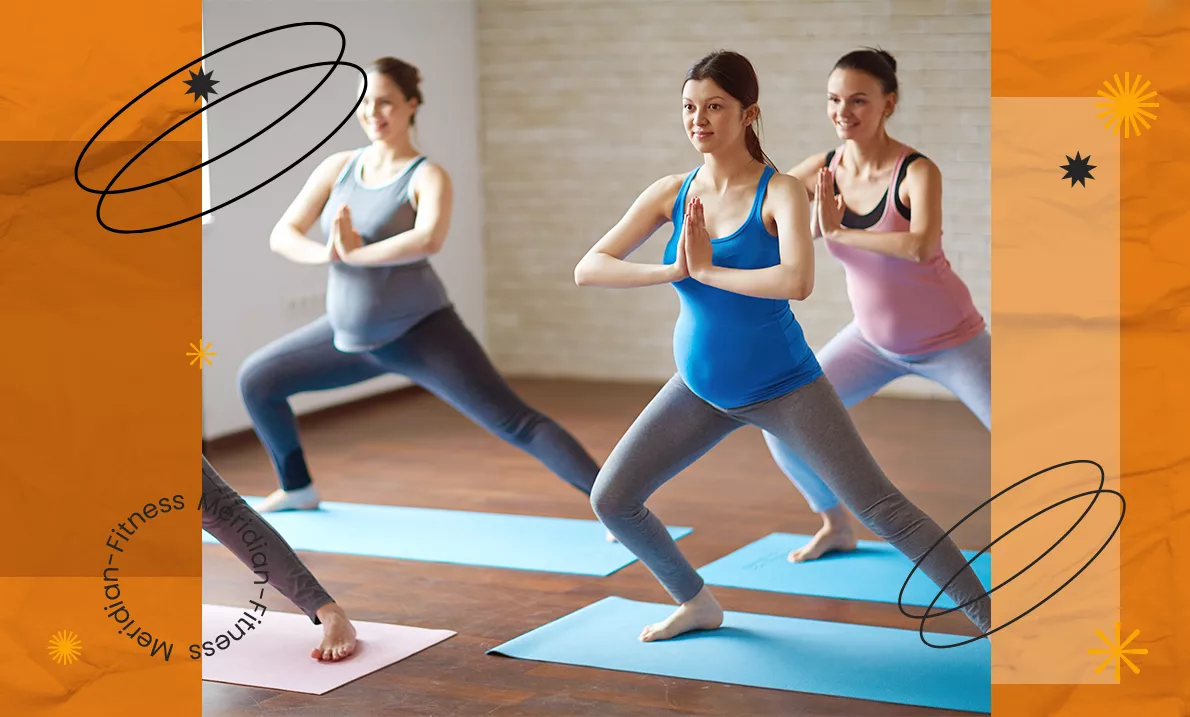
Prenatal yoga adapts poses, breathing, and pace for pregnancy. Beginners should choose a qualified instructor, small classes, suitable props, and trimester-safe guidance. Greenwich classes usually cost £15–£25, with courses often offering better value.
Choosing a prenatal yoga class in Greenwich as a complete beginner comes down to five things: instructor qualifications (specifically prenatal-trained, not just general yoga), class size and pace, trimester-appropriate content, studio comfort and props, and midwife or GP sign-off before you start. Most beginners join in the second trimester, when energy returns and morning sickness usually settles.
If you are pregnant, new to yoga, and trying to work out which prenatal class in Greenwich is right for you, the good news is that you are asking exactly the right question at the right time. Prenatal yoga is one of the most beneficial forms of movement in pregnancy, safer than most sports, gentler on your joints, and specifically designed to help with breathing, pelvic floor, and birth preparation. This guide walks you through the five things that actually matter when choosing a class, in the order they matter.
This guide will cover:
- What prenatal yoga is (and how it differs from regular yoga)?
- When you can safely start prenatal yoga in pregnancy?
- The most important criterion: instructor qualifications
- What to look for in a Greenwich prenatal yoga class?
- What a first prenatal yoga class actually looks like?
- How much does prenatal yoga cost in Greenwich?
- What to bring to a prenatal yoga class?
- When to slow down, modify or skip a class?
WHAT IS PRENATAL YOGA, AND HOW IS IT DIFFERENT FROM REGULAR YOGA?
Prenatal yoga is yoga specifically adapted for pregnancy. The poses, the pace, the props, and the breathing techniques are all modified to accommodate your changing body and to focus on the muscles and skills that will help you through labour, most notably the pelvic floor, deep breathing, and mental calm under physical intensity.
The differences between a prenatal class and a general Hatha or Vinyasa class are practical and specific. According to Tommy’s, the UK pregnancy and baby charity, pregnancy yoga classes use relaxation and breathing techniques with postures that have been adapted for pregnancy, and research they have funded shows that a single session of yoga can reduce self-reported anxiety by around a third and stress hormone levels by 14%.
THE MAIN MODIFICATIONS YOU CAN EXPECT IN ANY PROPERLY-RUN PRENATAL CLASS:
- No lying flat on your back after around 16 weeks; the weight of the baby can compress a major vein and reduce blood flow. Classes use side-lying or propped positions instead.
- No deep or closed twists that compress the abdomen. Gentle, open twists are usually fine.
- No intense core work. Plank, sit-ups, and boat pose are usually replaced with pelvic tilts and gentle mobility work.
- No inversions or deep backbends. If a class regularly includes headstands or shoulderstands, it is not a prenatal class.
- No heated yoga, Bikram, hot yoga, or any style practised in a warm room. Overheating in pregnancy is a real risk.
- More props (bolsters, blocks, blankets), slower pace, and generous rest periods.
- Explicit focus on pelvic floor engagement and release, breathwork you can carry into labour, and mental preparation for birth.
A good instructor will explain each modification as you go, so by the end of a 6-week course you understand not just what to do but why. That knowledge often transfers into labour itself.
WHEN CAN YOU SAFELY START PRENATAL YOGA?
Most beginners join a prenatal yoga class in the second trimester, usually between weeks 14 and 20, when morning sickness usually settles, and energy tends to return. It is possible to start in the first trimester if you already exercise regularly, but most instructors and most maternity teams prefer beginners to wait until 12 weeks and after their first midwife appointment.
| Trimester | Weeks | Prenatal yoga for beginners |
|---|---|---|
| First | 0–13 | Wait if possible, especially if new to yoga. Fatigue and nausea often make classes hard to enjoy. Speak to your midwife before starting. |
| Second | 14–27 | The most common start point. Energy usually returns; bump is manageable; classes are enjoyable. Ideal window for a beginner course. |
| Third | 28–birth | You can absolutely start here, but classes shift toward birth preparation, breathwork, and rest. Look for third-trimester-specific or full-pregnancy classes. |
The NHS guidance on exercise in pregnancy is clear that exercise is not dangerous for your baby, and active women are less likely to experience problems in later pregnancy and labour. Their steady rule for whether you are working at the right intensity: you should be able to hold a conversation. If you cannot, ease off.
SPEAK TO YOUR MATERNITY TEAM FIRST IF
- You have had bleeding or spotting, high blood pressure, or a previous premature birth.
- Your pregnancy is a multiple (twins, triplets, or more).
- You have been diagnosed with placenta praevia, pre-eclampsia, or another condition your midwife has flagged.
- You were not exercising regularly before pregnancy and want to start now.
- You are unsure whether a specific class or pose is safe for your stage of pregnancy.
THE MOST IMPORTANT CRITERION: INSTRUCTOR QUALIFICATIONS
The single biggest factor in whether a prenatal yoga class is safe and useful is the instructor. A general yoga teaching qualification (a 200-hour RYT, for example) does not by itself qualify someone to teach pregnancy yoga. Look for a specific prenatal training on top: Birthlight, YogaBirth, YogaBellies, or a Yoga Alliance Professionals prenatal specialism are the most widely recognised UK options.
This matters because pregnancy-specific training covers things a general yoga qualification does not: contraindicated poses at each stage, how to modify sequences for the third trimester, when to refer a student back to their midwife, and the anatomy of labour and the pelvic floor. A well-meaning general yoga teacher without this training can miss things that a prenatal-qualified teacher would catch.
Common UK prenatal training and certifications you can ask about:
| Qualification | Who runs it | What it means |
|---|---|---|
| Birthlight Perinatal Yoga | Birthlight (UK charity/school) | Well-established UK prenatal + postnatal training. Widely recognised. |
| YogaBirth teacher | YogaBirth Federation | UK-specific pregnancy yoga training with a focus on birth preparation. |
| YogaBellies pregnancy teacher | YogaBellies (national franchise) | Structured programme; often taught in small group settings. |
| Yoga Alliance Professionals, prenatal specialism | Yoga Alliance Professionals (UK) | Add-on specialism on top of a base 200-hour or 500-hour qualification. |
| FEDANT-recognised training | FEDANT (Federation of Antenatal Educators) | Multi-disciplinary antenatal educator recognition, some prenatal yoga teachers hold this too. |
TWO STRAIGHTFORWARD QUESTIONS TO ASK ANY STUDIO OR INSTRUCTOR BEFORE YOU BOOK:
- “What prenatal or pregnancy-specific training does the instructor hold?” A good answer names a specific qualification. A vague answer (“she’s an experienced yoga teacher”) is a soft red flag, not necessarily a deal-breaker, but worth pressing on.
- “How many years have they been teaching pregnancy yoga specifically?” Pregnancy teaching is a craft that improves with reps. Someone who has taught pregnancy classes weekly for three years will spot things a newly qualified teacher will not.
A good instructor will not be offended by these questions. They will welcome them; the ones with proper training are usually proud of it.
WHAT TO LOOK FOR IN A GREENWICH PRENATAL YOGA CLASS
Beyond instructor qualifications, five things separate a good prenatal class from an average one: class size (small, ideally 8–12), format (six-week course or fixed weekly slot beats random drop-in), studio conditions (cool, not hot; good ventilation), prop availability (bolsters, blocks, blankets), and location (close enough that pregnancy fatigue does not stop you attending).
A PRACTICAL CHECKLIST FOR EVALUATING ANY GREENWICH PRENATAL CLASS BEFORE YOU COMMIT:
| What to check | Good sign | Warning sign |
|---|---|---|
| Class size | Capped at 8–12 people | Uncapped or 20+ per class |
| Format | Six-week course or fixed weekly time | Random general timetable slot |
| Studio temperature | Cool, well-ventilated | Warm or heated room |
| Props on hand | Bolsters, blocks, blankets, straps | Mat only |
| Sign-in question | Asks your due date, trimester, complications | Does not ask |
| Location | Under 20 minutes from home | Long commute (fatigue kills attendance) |
Six-week courses (all six sessions booked at once, same group each week) are the standard for pregnancy yoga in the UK and generally the format most maternity teams recommend. The advantages: you get to know the other women in your group, you build a proper sequence over the weeks, and cancellation rates are lower because you have paid up front. Drop-in classes work as a supplement or a taster, but they rarely provide the same continuity.
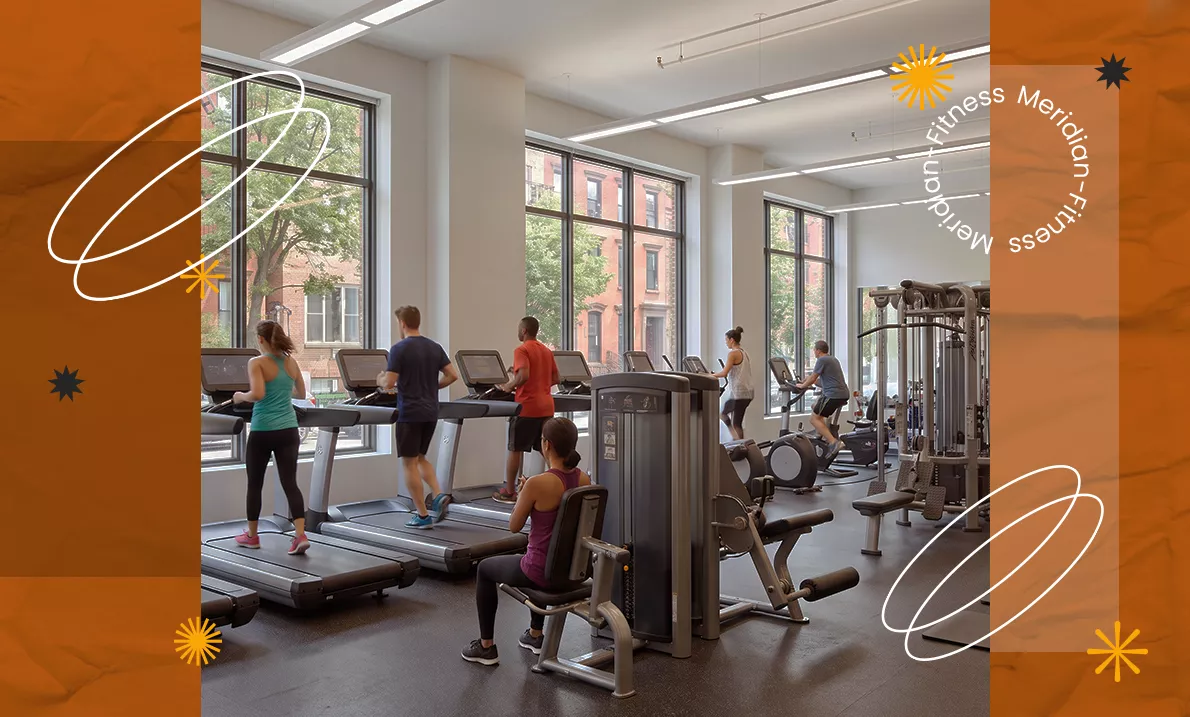
As a Greenwich-based example: Meridian Fitness runs pregnancy yoga classes from its Creek Road studio. Whichever studio you shortlist, ring reception before you book and ask the six questions in the table above. A good studio will be happy to answer them; that responsiveness is itself a positive sign.
WHAT A FIRST PRENATAL YOGA CLASS ACTUALLY LOOKS LIKE
A first prenatal yoga class usually runs 60 to 75 minutes, longer than a regular yoga class because it includes more setup, more rest, and a longer relaxation at the end. The structure is predictable: check-in and introductions, breathwork, gentle warm-up, seated and standing sequences, floor work, and a longer savasana on your side.
A SESSION, WHICHEVER GREENWICH STUDIO YOU CHOOSE, WILL LOOK SOMETHING LIKE THIS:
- Arrive 10–15 minutes early. Check in, tell the instructor your due date and any specific concerns (pelvic pain, sciatica, sleep issues). Roll out a mat with a bolster and a blanket to hand.
- The instructor opens with a check-in circle, brief but genuine. Most classes have new bumps and returning bumps side by side, and the tone tends to be gently supportive rather than performative.
- Five to ten minutes of breathwork, usually seated on a bolster. This is often the most useful part of the whole class; you are learning breath patterns you can carry into labour.
- A gentle warm-up on all fours: cat-cow, hip circles, gentle mobility. Nothing fast, nothing hard.
- Standing sequence at a slow pace, modified sun salutations, wide-legged forward folds, warrior variations. Usually with the option to hold onto a wall or chair for balance.
- Floor work: seated hip openers, gentle side-lying poses, pelvic floor work.
- Savasana on your side (usually left side), propped with bolsters and a blanket, for 10–15 minutes. This is the part most beginners underestimate. Skip it, and you lose most of the calming effect.
If it is your first class, arrive early, tell the instructor it is your first session, and expect a quiet welcome rather than a fuss. Most prenatal groups are visibly warm to newcomers; pregnancy tends to shift the tone of a room in a way that makes it easier to walk into unfamiliar rooms.
HOW MUCH DOES PRENATAL YOGA COST IN GREENWICH?
A drop-in prenatal yoga class in Greenwich usually costs between £15 and £20. Six-week courses, the more common format at specialised prenatal studios, usually range from £75 to £150 in total, working out at £12.50 to £25 per session. Gym-run classes at general yoga rates (£15) can be the cheapest per-session option if the instructor holds prenatal training.
The cost picture at a glance for prenatal yoga in Greenwich:
| Option | Price | Notes |
|---|---|---|
| Drop-in class (general studio) | £15 – £25 | Flexible but per-session more expensive |
| Drop-in class (gym-run) | £15 – £20 | Cheapest per session; verify instructor prenatal training |
| Six-week course (specialised prenatal studio) | £75 – £150 total | Standard UK format; same group each week; often best value |
| Monthly membership (gym-run, unlimited classes) | £50 – £70 / month | Good value if you attend twice a week or more |
As a specific Greenwich reference: yoga classes at Meridian Fitness on Creek Road are £15 as a drop-in. We break the full pricing down in our guide to yoga classes cost at Meridian Fitness. The wider point across Greenwich: prenatal classes here generally sit below the £25–£40 range of central London studios, largely because studio rents are lower.
WHAT TO BRING TO A PRENATAL YOGA CLASS
You need less kit than most people bring. Comfortable stretchy clothes that accommodate a bump, a water bottle, and a small snack for after class are the essentials. Most studios provide mats, bolsters, blocks, and blankets, but ring and check before your first class, and bring your own props if the studio does not stock them.
A PRACTICAL PRENATAL BAG LOOKS LIKE THIS:
- Comfortable, stretchy clothes with room for a bump, maternity leggings or joggers with a soft waistband, and a fitted or loose top and a warm layer for savasana.
- Water bottle; you will use more than you expect. Keep it within arm’s reach on the mat.
- A small snack for straight after class. Blood sugar can drop; a banana or an oat bar prevents lightheadedness on the way home.
- Your own bolster or thick pillow if the studio does not provide them. Ring and check.
- Non-slip socks or bare feet, no shoes on the mat.
- Your maternity notes (or a note of your due date and any conditions) for the instructor to see if this is your first class.
What to skip: heavy jewellery, tight belts, and a full meal beforehand. A light snack an hour or two before class is fine; a full meal is not. Twisting and folding on a full stomach is uncomfortable at the best of times and worse in pregnancy.
WHEN TO SLOW DOWN, MODIFY OR SKIP A CLASS
Some signs mean you should stop the class immediately and speak to your midwife: bleeding, dizziness, headache, chest pain, calf pain or swelling, contractions, or fluid leaking. Others, general fatigue, breathlessness, a “just off” day, mean modify or skip, not stop your practice altogether. The rule is: if in doubt, sit it out, and check.
A good prenatal instructor will tell you all of this at the start of your first class.
The universally recognised warning signs for stopping any exercise in pregnancy and seeking urgent advice are:
- Vaginal bleeding or fluid leaking from the vagina.
- Regular painful contractions.
- Chest pain, palpitations, or unusual shortness of breath at rest.
- Dizziness, faintness, or a bad headache.
- Calf pain or swelling in one leg.
- Muscle weakness affecting balance.
On the softer end, general tiredness, a headache day, a heavy pelvis, modify. Take child’s pose. Stay in seated poses. Rest through the standing sequence. The wider list of benefits of attending yoga classes assumes you are actually there. Consistent gentle attendance over six weeks does more than heroic attendance for one and then disappearing for a fortnight.
BRINGING IT TOGETHER
Choosing a prenatal yoga class as a complete beginner is really the same decision three times over: is the instructor properly trained for pregnancy, is the class small and calm enough that you can actually be looked after in it, and is it close enough to home that pregnancy fatigue does not become the reason you stop going? If the answer to all three is yes, and your midwife is happy with the plan, you have found a class worth booking.
Start in the second trimester if you can, choose a six-week course over ad-hoc drop-ins, and give it three weeks before you decide whether it is for you. Most first-time prenatal students are surprised by how quickly it shifts from something they are doing for the baby into something they are genuinely looking forward to for themselves.
If you would like to try a prenatal class in Greenwich, Meridian Fitness runs pregnancy yoga classes from its Creek Road studio, with props, small group size, and instructors who can walk you through the format before your first session. Reception is on 0208 469 1961 if you would like to ask the qualifications and class-size questions above before booking.
FAQs
CAN I DO PRENATAL YOGA IN THE FIRST TRIMESTER AS A COMPLETE BEGINNER?
It is possible but not usually recommended. Most instructors and maternity teams prefer complete beginners to wait until the second trimester (from around week 14), after their first midwife appointment. If you want to start earlier, speak to your midwife or GP first.
DO I NEED TO HAVE DONE YOGA BEFORE TO JOIN A PRENATAL CLASS?
No. Prenatal classes are specifically designed for people who may have never done yoga before, and the pace and level are set accordingly. Tell the instructor it is your first time before class starts; they will offer modifications and check in with you throughout.
WHAT QUALIFICATIONS SHOULD A PRENATAL YOGA INSTRUCTOR HAVE?
Look for a specific prenatal or pregnancy yoga certification on top of a general yoga qualification. In the UK, the most widely-recognised prenatal trainings are Birthlight, YogaBirth, YogaBellies, and Yoga Alliance Professionals prenatal specialisms. A general 200-hour yoga qualification alone is not enough.
WHAT STYLES OF YOGA ARE SAFE IN PREGNANCY?
Hatha and gentle Vinyasa are the most commonly recommended styles for pregnancy, both taught at a modified pace. Avoid heated yoga (Bikram, hot yoga), strong power flow, and any style involving inversions or deep twists.
IS IT SAFE TO LIE ON MY BACK DURING PRENATAL YOGA?
Generally not after around 16 weeks. The weight of the growing baby can press on a major vein and reduce blood flow when you lie flat. A prenatal-trained instructor will replace back-lying poses with side-lying or propped positions. If a class regularly asks you to lie flat past 16 weeks, that is a red flag about the instructor’s prenatal training.
WHAT SHOULD I WEAR TO A PRENATAL YOGA CLASS?
Comfortable, stretchy clothes that accommodate a bump, maternity leggings or joggers with a soft waistband, plus a fitted or loose top and a warm layer for the beginning and end of class. Avoid tight belts, heavy jewellery, and anything that restricts your abdomen.
HOW MUCH SHOULD A PRENATAL YOGA CLASS COST IN GREENWICH?
Drop-in prenatal classes in Greenwich usually cost £15–£25. Six-week courses at specialised prenatal studios usually run £75–£150 in total, working out at £12.50–£25 per session. Gym-run yoga at £15 can be cheaper per class if the instructor holds proper prenatal training.