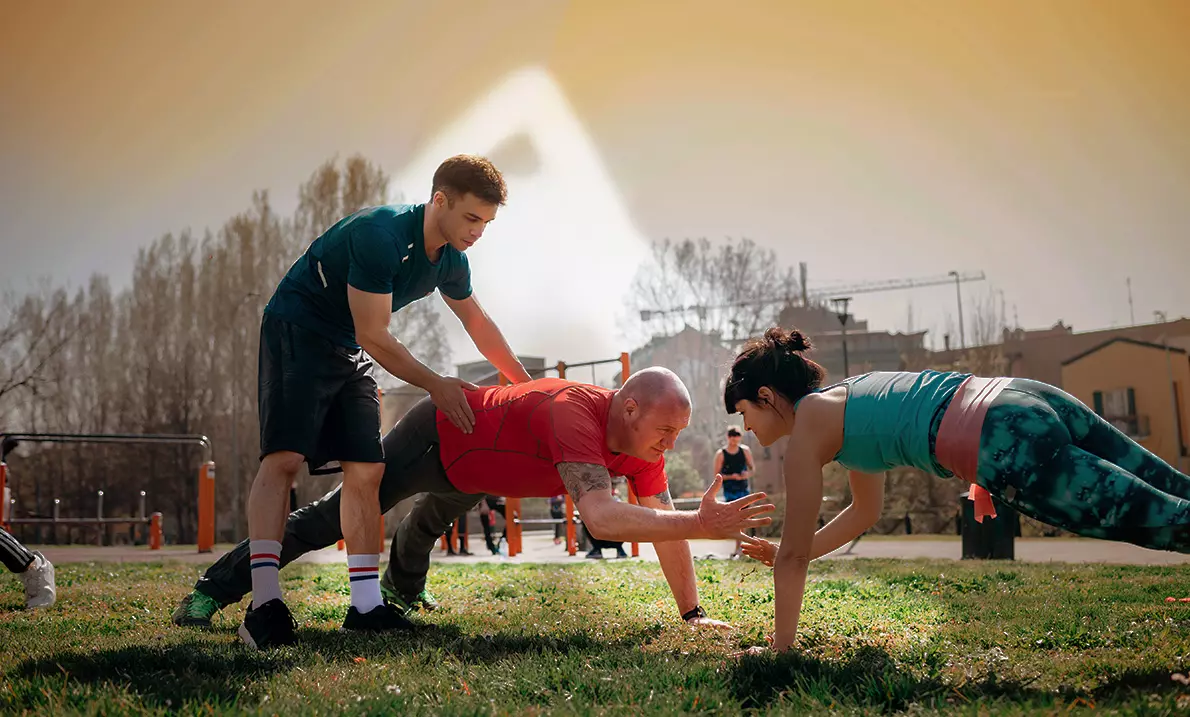
Living in the vibrant corridors of Greenwich and Deptford, you have access to an incredible array of fitness options. From early morning runs through Greenwich Park to weekend yoga sessions near the river, staying active in SE8 and SE10 is a way of life. At the heart of this fitness boom are Bootcamp classes. These are high-energy, sweat-inducing, and deeply communal workouts that push you to your limits.
Here at Meridian Fitness on Creek Road, perfectly positioned between Greenwich and Deptford, our Bootcamp classes are among the most popular on the timetable. They blend cardiovascular conditioning with functional strength training, offering a maximum return on your time investment. But a question we hear frequently from our dedicated members is: “How many times a week should I really be doing this without burning out?”
It is a fine line between training hard and overtraining. Pushing your body to its limits yields incredible results, but failing to respect your recovery can lead to diminished returns, fatigue, and injury. In this comprehensive guide, we will break down the science of Bootcamp training, explore the risks of overtraining, and provide a definitive, actionable framework for scheduling your classes so you can get fitter, stronger, and healthier without burning out.
The Anatomy of a Bootcamp Class
To understand how often you should attend, you first need to understand the physiological demand of a Bootcamp class. Not all group fitness classes are created equal. A spin class is purely cardiovascular, whilst a Pilates class is purely core and flexibility. A true Bootcamp class is a hybrid.
High-Intensity Interval Training (HIIT) Explained
Most Bootcamps, including the ones we run at Meridian Fitness, are structured around the principles of High-Intensity Interval Training (HIIT). This means you are subjected to periods of near-maximum exertion followed by brief, structured periods of rest or active recovery.
During the work phases, your heart rate spikes into the anaerobic zone. This is typically 80-90% of your maximum heart rate. In this zone, your body cannot supply enough oxygen to your muscles through normal breathing, so it relies on stored glycogen for energy. This process is fast but highly taxing. It builds cardiovascular capacity, improves your VO2 max, and triggers Excess Post-exercise Oxygen Consumption (EPOC). This means you continue to burn calories long after the class ends.
The Functional Fitness Element
Unlike standard cardio, Bootcamp classes heavily integrate functional resistance training. You are not just running. You are doing squats, lunges, push-ups, kettlebell swings, and battle rope slams. These movements require multiple muscle groups to fire simultaneously.
This resistance element is what makes Bootcamp so effective for body recomposition. However, it is also what makes it incredibly taxing on your central nervous system (CNS) and musculoskeletal system. When you do a heavy kettlebell swing, you are not just burning calories. You are creating microscopic tears in your muscle fibres that must heal to grow back stronger.
Understanding Overtraining Syndrome (OTS)
Overtraining happens when the volume and intensity of your exercise exceed your body’s capacity to recover. It is not just feeling tired after a hard session. It is a chronic state of physiological deficit. When you do a Bootcamp class, you are temporarily breaking down your body. The magic happens during the recovery period. If you deny your body that recovery, you enter a downward spiral.
What Exactly is CNS Fatigue?
When we talk about overtraining, we have to talk about the central nervous system. Your CNS is the command centre that sends signals to your muscles to contract. High-intensity, high-impact exercises like those in a Bootcamp are incredibly demanding on the CNS.
If you do HIIT Bootcamps day after day, your CNS never fully resets. You will start to feel sluggish. You might be lifting the same kettlebell, but it will feel ten times heavier. Your reaction times will slow down, and your coordination will suffer. This CNS fatigue is your body’s emergency brake, forcing you to slow down before you incur a serious injury.
The Hormonal Impact of Overtraining
Overtraining does not just affect your muscles. It disrupts your endocrine system. Chronic high-intensity exercise without adequate recovery leads to a sustained elevation of cortisol, which is your body’s primary stress hormone.
Whilst cortisol is necessary for energy metabolism during exercise, chronically high levels are destructive. Elevated cortisol signals your body to store visceral fat, break down lean muscle tissue for energy, and suppress your immune system. Furthermore, overtraining can disrupt the production of testosterone and human growth hormone, which are essential for muscle repair and overall vitality. In short, doing too much Bootcamp can actually cause you to lose muscle and gain fat, which is the exact opposite of why you started.
Warning Signs You Are Doing Too Much
Your body is highly communicative. It will tell you when it is overtraining. The problem is that the “no pain, no gain” fitness culture often teaches us to ignore these signals. If you are hitting our Deptford and Greenwich Bootcamp classes multiple times a week, watch out for these red flags.
Physical Symptoms of Overtraining
The most obvious signs are physical. Persistent muscle soreness that lasts more than 72 hours is a clear indicator that your muscles are not repairing themselves. This is often linked to Delayed Onset Muscle Soreness (DOMS). If you find that your performance in class is declining, you are likely overtrained. You might find you cannot do as many press-ups as you did last week, or your sprint times are slowing down.
Other physical symptoms include nagging injuries that will not heal, joint pain, and disrupted sleep patterns. You might feel exhausted, but you cannot sleep because your nervous system is wired. A consistently elevated resting heart rate is another sign. If you check your pulse first thing in the morning and it is 5 to 10 beats per minute higher than your normal rate, your body is under immense stress.
Mental and Emotional Red Flags
Overtraining is not just a physical state. It is a mental one. Exercise should generally improve your mood by releasing endorphins. However, if you are overtraining, you may experience mood swings, irritability, and a sudden lack of motivation.
If the thought of walking into Meridian Fitness for your usual Bootcamp class fills you with dread rather than excitement, your brain is trying to tell you something. You might also experience brain fog, difficulty concentrating at work, or a general feeling of lethargy that coffee cannot fix.
The Science of Recovery: Why Rest is Where You Grow
To determine the optimal frequency of your Bootcamp classes, you must shift your mindset. You do not get fitter in the gym. You get fitter when you rest. The gym is the stimulus. Recovery is the adaptation.
Muscle Protein Synthesis and Repair
When you do a heavy Bootcamp session, you cause micro-trauma to your muscle fibres. In response, your body initiates Muscle Protein Synthesis (MPS) to repair the damage, making the fibres thicker and stronger than before. However, MPS requires time and resources.
For most individuals, it takes 24 to 48 hours for a muscle group to fully recover from an intense resistance training session. If you hit a full-body Bootcamp on Monday, your muscles are actively repairing on Tuesday and Wednesday. If you hit another full-body session on Tuesday before MPS is complete, you interrupt the repair process and force the body to start breaking down tissue again. This is why scheduling rest days between high-intensity sessions is biologically non-negotiable.
Why Rest Days Are Non-Negotiable
A rest day does not mean sitting on the sofa eating crisps, though complete rest is sometimes exactly what is needed. It means actively avoiding high-intensity, CNS-taxing workouts. Rest days allow your body to divert energy away from sustaining intense physical output towards cellular repair, hormone regulation, and immune system bolstering.
If you want to maximise the results of your Bootcamp classes, you must protect your rest days with the same ferocity that you protect your workout schedule.
Finding Your Bootcamp Sweet Spot: Frequency Guidelines
So, how often should you actually be doing Bootcamp classes? The answer depends entirely on your current fitness baseline, your lifestyle outside the gym, and your specific goals. Here is a breakdown by experience level.
For Beginners: Easing Into the Greenwich Bootcamp Scene
If you are new to HIIT or have not exercised consistently in the last six months, your body needs time to adapt to the shock of high-intensity training. Your nervous system is not conditioned to fire rapidly, and your muscles and tendons are not used to explosive movements.
Recommendation: 1 to 2 classes per week.
Start with one Bootcamp class a week. Pair it with two days of lighter activity, like a brisk walk through Greenwich Park or a beginner’s Yoga class at Meridian Fitness. After three to four weeks, if you feel good and are not excessively sore, bump it up to two classes a week, ensuring you have at least two full rest days between them.
For Intermediate: Finding the Rhythm
You have been exercising consistently for a few months. You know the difference between good pain (muscle fatigue) and bad pain (joint injury). Your body recovers reasonably well, and you want to push for better body composition and stamina.
Recommendation: 2 to 3 classes per week.
This is the sweet spot for most people. Doing three Bootcamp classes a week gives you a massive metabolic boost and excellent strength gains whilst allowing 48 hours of recovery between sessions. On your off days, you can do low-intensity steady-state cardio (LISS) like swimming in our pool, or a mobility-focused class like Pilates.
For Advanced: Pushing the Limits Safely
You are highly trained, your recovery capabilities are elite, and you fuel your body perfectly. You want to maximise your athletic performance.
Recommendation: 3 to 4 classes per week.
This is the absolute maximum. Even for advanced athletes, doing more than four high-intensity, full-body Bootcamp classes a week is flirting with overtraining. If you are doing four, two of those sessions should be true Bootcamps, and the other two should be scaled back in intensity. At this level, recovery protocols regarding sleep, nutrition, and spa usage must be flawless.
Structuring Your Fitness Week in Greenwich and Deptford
To help you visualise how to fit Bootcamp into your life without overtraining, here are sample weekly schedules tailored to different member profiles at Meridian Fitness.
The Meridian Fitness Weekly Blueprint
Let us look at how an intermediate member living in the Deptford or Greenwich area might structure their week to optimise results and prevent burnout.
- Monday: Bootcamp Class (45 mins)
Start the week strong. High intensity, full body. Push hard, knowing you have a recovery day tomorrow. - Tuesday: Active Recovery and Mobility (30 to 40 mins)
Head to Meridian Fitness for a Yoga or Pilates class. Alternatively, do 20 minutes of foam rolling and stretching, followed by 20 minutes of easy swimming in our pool. The water’s hydrostatic pressure will help flush lactic acid from your muscles. - Wednesday: Gym Floor Strength (45 mins)
Focus on hypertrophy with controlled resistance training. Target specific muscle groups that might have been neglected in the functional Bootcamp session. - Thursday: Bootcamp Class (45 mins)
Your second high-intensity session of the week. Focus on matching or beating your personal bests from Monday. - Friday: Total Rest or Light Cardio
Complete rest, or a light 30-minute jog along the Thames Path from Deptford to Greenwich. Keep your heart rate in Zone 1 or 2. - Saturday: Bootcamp Class (45 mins, Optional)
If you are feeling fresh, attend a third Bootcamp class. If your CNS feels fatigued, swap this for a Spin class, which is cardio-dominant and gives your upper body a break. - Sunday: Full Rest and Meal Prep
Total physical and mental disengagement from structured exercise. Focus on sleep, hydration, and preparing nutritious food for the week ahead.
Integrating Active Recovery
Notice how active recovery is woven into the blueprint. Active recovery is the secret weapon of professional athletes. By doing low-intensity movement on your off days, you promote blood flow to sore muscles without taxing your CNS. At Meridian Fitness, the swimming pool, sauna, and steam rooms are your best friends for active recovery.
Cross-Training: The Secret to Longevity in Fitness
If you want to attend Bootcamp classes frequently, you must balance them with opposing exercise modalities. This is called cross-training. If you only ever do high-intensity, explosive movements, your body will eventually break down.
Utilising the Swimming Pool
The pool at Meridian Fitness is an unparalleled tool for Bootcampers. Swimming involves purely concentric muscle contractions, meaning the muscle shortens under tension with no eccentric phase in which it lengthens under tension. The eccentric phase is what causes Delayed Onset Muscle Soreness (DOMS).
By swapping a third Bootcamp class for a 30-minute swim, you give your joints a complete break from impact whilst still maintaining your cardiovascular fitness. The water massages sore muscles and reduces inflammation, allowing you to return to the Bootcamp studio fresher and faster.
The Spa and Sauna Advantage
Do not ignore the spa facilities. The sauna and steam room are not just luxuries. They are recovery tools.
Spending 15 minutes in the sauna after a brutal Bootcamp class causes your blood vessels to dilate, increasing blood flow to your muscles. This delivers oxygen and nutrients needed for repair whilst simultaneously flushing out metabolic waste. The steam room helps relax tight fascia and connective tissue, improving flexibility. Regular sauna use has also been shown to lower baseline cortisol levels, directly combating the stress of overtraining.
Nutrition: Fuelling the High-Intensity Machine
You cannot out-train a bad diet, and you certainly cannot recover from overtraining without optimal nutrition. If you are hitting Bootcamp classes hard, your dietary needs shift significantly compared to someone who only does light walking.
Pre-Bootcamp Fuelling
Showing up to a Bootcamp class under-fuelled is a one-way ticket to premature fatigue and a compromised CNS. You need readily available glycogen to fuel those anaerobic sprints and heavy lifts.
Aim to consume a carbohydrate-rich snack 45 to 60 minutes before class. A banana, a slice of toast with jam, or a small bowl of oats will provide the quick-burning fuel your body needs. Avoid heavy proteins or fats right before class, as they take too long to digest and can cause nausea during high-intensity intervals.
Post-Class Recovery Nutrition
The 45-minute window immediately following your Bootcamp class is critical. Your muscles are primed to absorb nutrients and begin the repair process. You need a combination of fast-digesting carbohydrates to replenish depleted glycogen stores and high-quality protein to initiate Muscle Protein Synthesis.
A whey protein shake with a banana is the gold standard here. Alternatively, chocolate milk is an incredibly effective, cost-effective recovery drink that provides the ideal 3:1 carb-to-protein ratio.
Hydration and Electrolyte Balance
Hydration is equally vital. You lose significant amounts of water and electrolytes through sweat during a high-intensity class. Failing to rehydrate impairs recovery and mimics the symptoms of overtraining, such as fatigue and lethargy. Drink at least 500ml of water immediately after class, and consider an electrolyte tablet if you are a heavy sweater. Living in London, commuting on the Tube and navigating the busy streets of Greenwich and Deptford add to your daily dehydration load, so carry a water bottle everywhere.
The Role of Sleep in Overtraining Prevention
You can eat perfectly, utilise the spa daily, and schedule your workouts flawlessly, but if you are sleeping poorly, you will still overtrain. Sleep is the ultimate recovery mechanism. The NHS recommends that adults aim for 7 to 9 hours of quality sleep per night.
Sleep Architecture and Muscle Repair
During deep sleep, your body releases the majority of its Human Growth Hormone (HGH). HGH is the master hormone for tissue repair, muscle growth, and fat metabolism. If you are only getting 5 to 6 hours of sleep a night, you are drastically blunting your HGH production. This means your muscles cannot fully repair themselves before your next Bootcamp class.
Furthermore, sleep is when your CNS resets. A lack of sleep keeps your sympathetic nervous system engaged, keeping cortisol high and preventing your body from dropping into a parasympathetic state where it can rest and digest.
Optimising Rest in a Busy London Lifestyle
Living and working in Greenwich and Deptford means navigating a fast-paced London lifestyle. Late nights, early commutes, and screen time can wreak havoc on sleep hygiene.
To prevent overtraining, you must protect your 7–9 hours of sleep. Treat your bedtime with the same respect you treat your Bootcamp class time. Turn off screens an hour before bed, keep your bedroom cool and dark, and avoid caffeine after 2 PM. If you are experiencing symptoms of overtraining, the first thing you should do is add an extra hour of sleep to your night.
Listening to Your Body and Modifying Intensity
Finally, the most important skill you can develop as a fitness enthusiast is learning to listen to your body. No fitness tracker or blog post can tell you exactly how you feel on a given day. You must learn to internalise your fatigue and adjust accordingly.
The RPE Scale (Rate of Perceived Exertion)
Fitness professionals use the RPE scale, typically from 1 to 10, to gauge intensity. 1 is sitting on the sofa. 10 is running for your life. A good Bootcamp class should push you into the 7-9 range during the work intervals.
However, if you walk into class on a Thursday and your legs feel like lead from Monday’s session, you need to adjust. Instead of pushing for a 9, deliberately cap your intensity at a 6 or 7. Go through the motions, get the blood flowing, but do not push your CNS to the brink. This is called an unload session. It allows you to maintain the habit of attending class without deepening your recovery deficit.
Knowing When to Scale Back
If you experience sharp pain, dizziness, or extreme weakness during a class, stop. Do not try to push through acute pain. That is how serious injuries happen.
At Meridian Fitness, our instructors are highly trained. If you are feeling fatigued or carrying a niggle, speak to the instructor before the class begins. They can provide alternative, low-impact exercises for you. For example, if your knees are hurting from too many jump squats, you can swap them out for step-ups or standard squats.
Scaling back is not a sign of weakness. It is a sign of intelligence. The goal of fitness is longevity. It is better to train at 80 per cent capacity for ten years than to train at 110 per cent for three months and be forced to stop due to injury.
Frequently Asked Questions
Can I do Bootcamp 5 days a week?
No, doing Bootcamp 5 days a week is not recommended for anyone, regardless of fitness level. True HIIT and functional resistance training require 48 hours of recovery between sessions to allow for Muscle Protein Synthesis and a central nervous system reset. Doing 5 sessions a week will almost certainly lead to Overtraining Syndrome, elevated cortisol, and a higher risk of injury. The absolute maximum for advanced athletes is 4 sessions per week.
Will I lose weight faster if I do Bootcamp every day?
No. In fact, doing Bootcamp every day can actually stall weight loss. Overtraining chronically elevates cortisol levels. High cortisol signals your body to store visceral fat (particularly around the midsection) and break down lean muscle tissue for energy. By resting 2 to 3 days a week, you allow your hormones to regulate, which actually promotes a healthier metabolism and more sustainable fat loss.
What should I do on my rest days from Bootcamp?
On your rest days, you should avoid high-intensity, CNS-taxing workouts. Instead, focus on active recovery. This includes activities like walking, gentle swimming, Yoga, Pilates, or using the sauna and steam room. Active recovery promotes blood flow to sore muscles, flushing out metabolic waste without causing further muscle damage.
How do I know if I am overtraining from Bootcamp?
The primary signs of overtraining include persistent muscle soreness lasting more than 72 hours, a decline in workout performance (getting slower or weaker), nagging joint pain, disrupted sleep despite feeling exhausted, an elevated morning resting heart rate, and mood swings or a sudden lack of motivation to train.
Is it better to do a Bootcamp in the morning or in the evening?
There is no universally correct answer. The best time to train is the time you can consistently stick to. Morning workouts can boost your metabolism for the day and improve focus. Evening workouts can serve as a stress reliever after work. However, try to avoid intense Bootcamp classes within 2 hours of bedtime, as the resulting spike in adrenaline and cortisol can disrupt your sleep architecture.
Train Hard, Recover Harder
Bootcamp classes at Meridian Fitness are a phenomenal way to build cardiovascular fitness, functional strength, and a supportive community right here in the Greenwich and Deptford area. The energy, the music, and the coaching push you to achieve things you never thought possible.
However, the path to true fitness is a marathon, not a sprint. Overtraining is a very real physiological state that can undo all your hard work, leaving you exhausted, injured, and demotivated. By understanding the demands of HIIT, recognising the signs of CNS fatigue, and prioritising recovery through sleep, nutrition, and our spa facilities, you can find your perfect frequency.
For the vast majority of people, 2 to 3 Bootcamp classes a week, interspersed with active recovery, swimming, and proper rest, is the ultimate formula for success. Listen to your body, respect the recovery process, and you will continue to crush your fitness goals for years to come.
Ready to Find Your Sweet Spot?
If you are in the Greenwich or Deptford area and want to experience a high-energy, expertly coached Bootcamp class, come and join us at Meridian Fitness. Our team can help you build a balanced weekly schedule that pushes your limits whilst keeping you safe from overtraining.
Book a class today or speak to our personal trainers about tailoring a recovery plan just for you.