Greenwich is one of those rare London neighbourhoods where life feels slightly less rushed. You have the river, open green space, residential calm, and a growing wellness culture. That’s exactly why yoga has taken root here.
But here’s the honest truth.
When you start looking for yoga classes in Greenwich, London, the options can feel overwhelming. Different styles. Different prices. Boutique studios. Gym-based classes. Heated rooms. Candle-lit slow flow. Morning energy sessions. Evening relaxation classes.
If you’re new, it can feel like everyone else already understands the language.
They don’t.
Most people in those rooms started exactly where you are, unsure, slightly nervous, and wondering if they’re flexible enough.
This guide is here to remove that friction. By the end, you’ll know what to book, what to wear, how much to expect to pay, and what actually happens inside the room.
Quick Answers (For People Skimming)
If you just want clarity before diving deeper, here are the fundamentals explained properly.
How long is a yoga class?
Most classes in Greenwich run between 45 and 60 minutes. That time includes a short warm-up, guided posture sequences, and a closing relaxation called savasana. Some slower restorative sessions may extend to 75 minutes because longer holds are involved.
If you’re worried about stamina, don’t be. Yoga isn’t continuous high-intensity movement. There are pauses built in. Your instructor will guide breathing breaks throughout. Sixty minutes pass surprisingly quickly.
Is yoga beginner-friendly?
In most Greenwich studios and gyms, yes. Classes are often mixed ability unless labelled “advanced.” Instructors are trained to offer modifications, meaning you can make a movement easier or more supportive.
If you’re still unsure, reading about the broader benefits of attending yoga classes can help you understand why beginners gain so much from starting early. Flexibility improves over time. Balance builds gradually. Confidence grows through repetition, not perfection.
The key is simply to tell the instructor you’re new.
What do I wear?
You don’t need specialist designer gear. You need comfort and stretch.
Leggings, joggers, or fitted shorts work well. Choose a top that stays in place when you lean forward. Breathable fabrics help if you warm up easily. You’ll practise barefoot, so no footwear is required.
Avoid very loose tops or heavy hoodies. The goal is ease of movement, not fashion.
How much does it cost?
Prices vary depending on whether you book through a boutique studio or a gym setting. On average, expect £10–£20 per single class in Greenwich.
Packs reduce the per-session cost. Monthly memberships bring even better value if you attend regularly.
We’ll explore this properly in the pricing section below, so you understand what you’re really paying for.
How many times per week is enough?
If you attend once weekly, you’ll maintain mobility.
Twice weekly creates noticeable change in posture and flexibility.
Three times weekly builds strength, stress resilience, and routine momentum.
Consistency beats intensity every time.
Types of Yoga Classes You’ll See in Greenwich (And Who Each One Is For)
Greenwich offers more variety than many people expect. Understanding the intention behind each style prevents you from booking something that doesn’t match your energy or goal.
Hatha Yoga
Hatha is structured and steady. You move through foundational poses with controlled breathing and longer holds. It’s not rushed. It focuses on alignment and understanding how your body moves safely.
This style is ideal for beginners because it teaches awareness. If you sit at a desk all day, Hatha can correct posture habits gradually. If you feel overwhelmed by faster-paced classes, Hatha gives you room to breathe and learn properly.
It’s also popular among those returning after injury because it prioritises control over speed.
Vinyasa / Flow
Vinyasa links breath with continuous movement. Instead of holding a pose for long periods, you transition smoothly from one to another.
It feels more dynamic and slightly more physically demanding. You may sweat. Your heart rate may rise moderately. That’s normal.
Many of the most trending yoga classes in Greenwich fall under this category because people enjoy the rhythm and fluidity. If you like structure but also want momentum, Vinyasa offers both strength and flexibility development in one session.
Yin and Restorative Yoga
This is where things slow down dramatically.
Yin involves holding poses for several minutes to target deeper connective tissue. Restorative yoga uses props such as bolsters and blocks to support total relaxation.
These classes are powerful for stress management. If you carry tension in your shoulders or hips, slower styles can create real release. They’re especially valuable during high-pressure work periods or winter months when energy naturally dips.
This is not “easy yoga.” It’s intentional stillness.
Hot Yoga
Hot yoga takes place in a heated room, often between 30–40°C. The warmth increases heart rate and makes muscles feel more pliable.
Some people love it because it feels intense and detoxifying. Others find it overwhelming initially.
If you are completely new to yoga, build a foundation first. Hot sessions are better introduced once you understand basic form and breath control.
Hydration becomes essential here.
Aerial Yoga
Aerial yoga uses suspended fabric hammocks to support or challenge movements. It allows partial inversions without full weight bearing on wrists or shoulders.
If you enjoy creative movement, this can be both playful and strengthening. It’s surprisingly accessible because the fabric supports your body.
If curiosity is pulling you toward this style, exploring beginner-friendly aerial yoga poses to try beforehand can reduce uncertainty and boost confidence before booking.
How to Choose the Right Class (Simple 3-Step Picker)
Overthinking blocks action. Use this filter.
Step 1: Identify Your Goal
Are you stressed and mentally overloaded? Choose something slower and grounding.
Want physical strength? Choose flow-based sessions.
Looking to improve flexibility? Hatha or Yin works well.
If stress reduction is your primary aim, structured approaches that help you reduce stress with yoga classes in Greenwich are often the most effective starting point.
Step 2: Assess Your Energy Honestly
Low energy after work? A high-intensity session might feel draining.
Morning motivation high? Flow could suit you.
The best class aligns with your real energy, not the version of yourself you wish you were.
Step 3: Consider Body Needs
Tight hips from commuting? Slow stretch sessions help.
Lower back stiffness? Gentle alignment-focused classes support safely.
Weak core? Controlled flow builds strength gradually.
Pick based on what your body is asking for.
What to Wear and What to Bring (First Class Checklist)
Preparation reduces anxiety.
Arrive 10–15 minutes early. This gives you time to settle without rushing.
Bring:
- Comfortable stretch clothing
- Water bottle
- A small towel if you sweat easily
- A yoga mat (check if hire is available)
Place your mat in the middle or back if you’re new. It allows observation without feeling exposed.
If nerves rise, tell the instructor you’re attending your first class. That small conversation removes pressure. Instructors expect beginners. They want you to be comfortable.
Remember, yoga spaces are generally quiet and respectful environments. No one is watching you perform. They’re focused on their own breathing.
Yoga Class Prices in Greenwich (What People Really Pay)
Let’s break this down clearly.
Single sessions typically range between £10 and £20, depending on location and class length. Boutique studios tend to sit at the higher end. Gym-based classes often sit lower because they’re included within membership packages.
Class packs reduce the cost per session. If you attend twice weekly, this quickly becomes cost-effective.
Monthly memberships provide the best value for regular attendees. Reviewing detailed breakdowns, such as yoga classes cost at Meridian Fitness or understanding the broader average yoga class cost in London, helps you compare fairly rather than guessing.
Price differences usually reflect:
- Instructor experience
- Studio ambience
- Heating systems
- Class duration
- Group size
You’re paying for guided expertise, not just floor space.
Yoga for Beginners in Greenwich (What to Expect in the Room)
Your first session won’t feel dramatic.
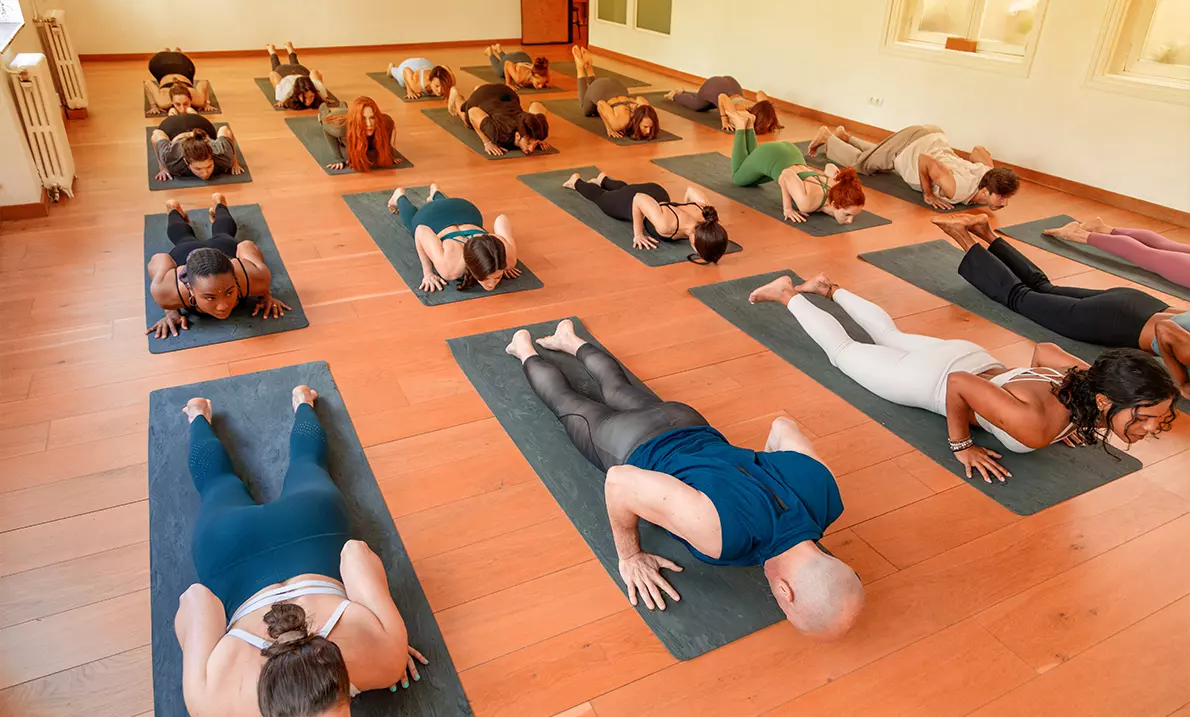
You’ll enter a quiet room. Mats are spaced evenly. Soft lighting or natural daylight. The instructor will introduce themselves and explain the focus of the class.
You don’t need flexibility to begin. That’s like saying you need strength before joining a gym.
Common terms are explained gradually. “Downward dog” is simply an inverted V shape. “Savasana” is lying still at the end.
If you want specifically welcoming spaces, researching the best yoga studios in Greenwich for beginners can give you extra reassurance before booking.
Beginners improve fastest because every movement is a new stimulus.
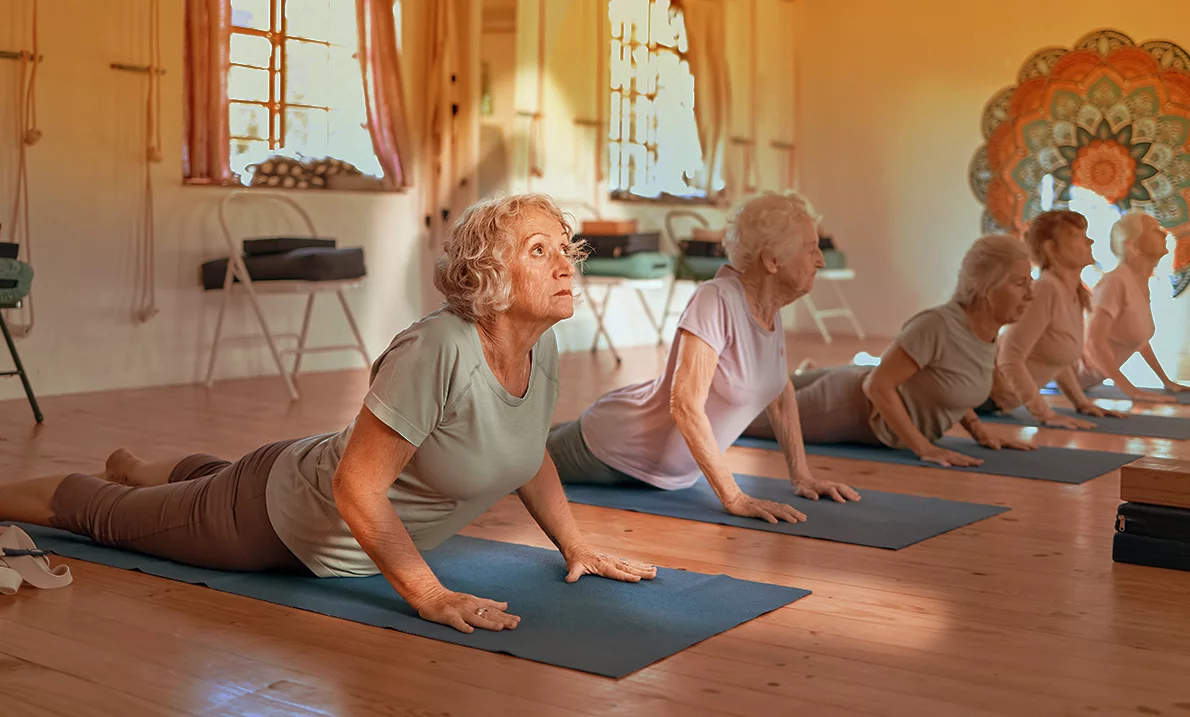
Yoga for Over 50s in Greenwich (Safe Ways to Start)
Yoga becomes more valuable with age, not less.
Joint mobility, balance, and posture naturally decline if ignored. Gentle yoga reverses that decline safely when approached progressively.
Tell your instructor about previous injuries or medical conditions. Modifications are normal. Using blocks or straps is not a sign of weakness. It’s smart practice.
Many local options cater specifically to this age group. Exploring yoga classes for over 50s in Greenwich can provide tailored pacing and supportive instruction.
Start once weekly. Build gradually. Improvement compounds.
Yoga vs Pilates (What to Book First If You’re Unsure)
If your goal is core strength and muscular precision, Pilates may suit you initially.
If your priority is flexibility, breathing, and mental reset, yoga may feel more aligned.
Both build strength differently. Many people alternate between the two.
If you want a detailed breakdown of structure and results, review Pilates vs yoga: what’s better? can clarify which aligns with your immediate goal.
You don’t need to commit forever. Book one of each and assess how your body responds.
Where to Do Yoga (Greenwich First, Then London Options)
Greenwich offers a balanced mix of independent studios and gym-integrated classes. Staying local increases consistency. Short travel time removes excuses.
However, if you commute into central London, weekend sessions at larger studios may expand variety. Reviewing top yoga studios in London gives perspective beyond your postcode. Similarly, exploring broader yoga classes in London for balance and calm can help if your schedule shifts between areas.
Convenience determines consistency. Choose proximity over prestige.
Seasonal Yoga (Why Winter and Christmas Classes Feel Different)
Winter changes energy levels. Shorter days increase fatigue. Muscles tighten in colder temperatures. Stress peaks around year-end responsibilities.
This is when slower yoga becomes extremely effective.
Gentle flows. Longer breathing sequences. Restorative stretching.
If you’re navigating festive pressure, sessions like Christmas yoga in Greenwich are designed to counteract seasonal tension.
Yoga adapts to seasons. You don’t always need intensity. Sometimes you need restoration.
FAQs
Is yoga good for you?
Yes. Yoga supports flexibility, balance, breathing efficiency, posture, and stress regulation. Research-backed evidence outlining the science-backed benefits of yoga confirms both physical and mental improvements when practised consistently.
How often should I do yoga?
Two to three sessions weekly produce meaningful change. Daily short practices can deepen flexibility faster. Once weekly maintains baseline mobility.
Can beginners do hot yoga?
They can, but it’s wise to build foundational technique first. Heat amplifies intensity. Start standard, then progress.
Do I need a mat?
Most studios require one. Hiring is often available. Owning your own improves comfort and hygiene if attending regularly.
What if I have back pain?
Choose gentle or restorative sessions. Inform your instructor beforehand. Avoid deep forward folds until properly guided.
How do I pick the right studio?
Consider location, instructor tone, pricing structure, and class size. Trial sessions are the most honest test.
Your Next Move
Starting yoga in Greenwich, London, doesn’t have to be complicated. Here’s a simple 3-step plan to get you moving:
- Pick your class type: choose the style that fits your goals, energy, and body needs. Whether it’s Hatha for calm, Vinyasa for movement, or Yin for deep stretch, select what feels right for you.
- Check the price: compare single classes, packs, or memberships to find what fits your routine and budget. Knowing the cost upfront removes stress and keeps you consistent.
- Book your first session: don’t wait for perfect flexibility or experience. The only way to start is to step into the class.
Taking these three steps ensures you move from curiosity to action while building a sustainable yoga habit. If you’ve read other guides on yoga classes in Greenwich, London, this hub now serves as your definitive reference: everything from what to expect, what to wear, class types, and prices.
Your first class is waiting. Make this week the start of your yoga journey.