WHAT IS THE DECLINE BENCH PRESS, AND WHEN SHOULD YOU ADD IT TO YOUR PROGRAMME?
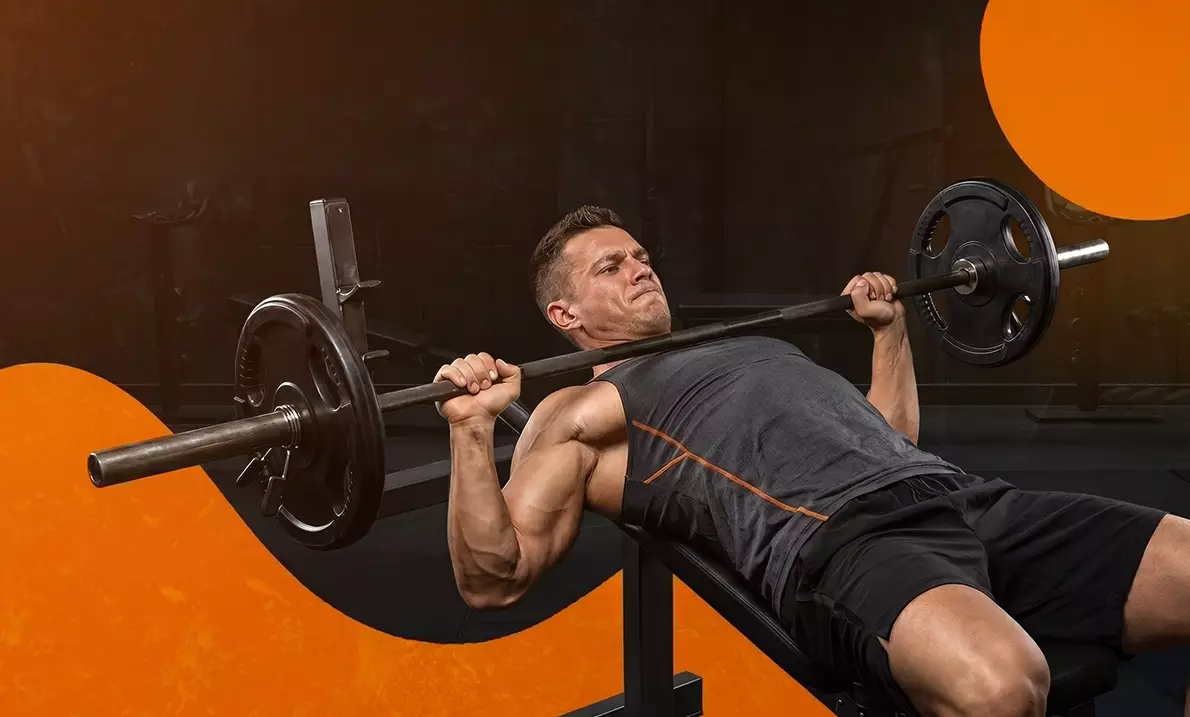
The decline bench press is one of the most effective exercises for building the lower chest, developing pressing strength, and adding thickness to the upper body. It’s a compound movement that targets the lower pectorals and triceps, making it a valuable addition to any intermediate lifter’s training programme.
MUSCLES WORKED IN THE DECLINE BENCH PRESS
The decline bench press is a compound movement that engages multiple muscle groups, making it one of the best exercises for developing lower chest definition and overall pressing power.
Primary Muscles Worked
These muscles do most of the work during the movement:
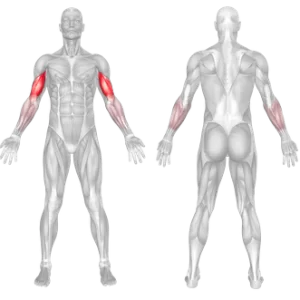
- Lower Pectorals (Sternocostal Head): The primary target, responsible for pressing the weight upward at a decline angle.
- Triceps Brachii: Assists in extending the arms and looking out the press
Secondary Muscles Worked
These muscles provide additional support and stability:
- Anterior Deltoids: Engage to stabilise the shoulders during the press
- Serratus Anterior: Supports scapular movement as you press and lower the bar
- Core muscles: Keep the torso braced and stable throughout the lift
BENEFITS OF DECLINE BENCH PRESS
Adding the decline bench press to your training routine comes with significant benefits:
BUILD LOWER CHEST THICKNESS AND DEFINITION
REDUCE SHOULDER PAIN
Compared to the flat or incline press, the decline position places less stress on the anterior deltoids, making it a joint-friendlier pressing option for lifters with shoulder sensitivity
IMPROVES PRESSING STRENGTH AND LOCKOUT
The shorter range of motion allows you to handle heavier loads, which can translate to stronger lockouts on the flat bench press and other pushing movements
SUPPORT BALANCED CHEST DEVELOPMENT
Including the decline press alongside flat and incline variations ensures all three regions of the chest are trained, leading to more complete upper body development
HOW TO DO THE DECLINE BENCH PRESS CORRECTLY?
Mastering the decline bench press requires proper form to maximise results and prevent injuries.
STEP 1: SET UP
- Secure your feet under the bench pads and lie back on the decline bench with your head at the lower end
- Grip the barbell slightly wider than shoulder width, with wrists straight and elbows tucked at a roughly 45-degree angle
- Retract your shoulder blades, brace your core, and unrack the bar with control
STEP 2: THE PRESS
- Inhale and lower the bar in a controlled line toward your lower chest
- Stop just above the chest without bouncing the bar
- Exhale and press the bar back up in a straight line until your arms are fully extended, without locking out the elbows
STEP 3: LOWER & REPEAT
- Maintain a steady tempo and keep your shoulder blades pinned to the bench
- Avoid flaring the elbows or bouncing the bar off your chest
- Repeat for the desired reps and sets, then rack the bar safely
COMMON MISTAKES TO AVOID WHEN DOING THE DECLINE BENCH PRESS
Avoid these errors to maximise efficiency and prevent injuries:
BOUNCING THE BAR OFF THE CHEST
Bouncing the bar reduces muscle engagement and increases injury risks. Lower the bar with control and press it back up
FLARING THE ELBOWS
Excessive elbow flare places unnecessary stress on the shoulders. Keep your elbows at roughly a 45-degree angle from your torso
USING TOO MUCH WEIGHT
Start with a manageable load so you can maintain full control, proper bar path, and a complete range of motion
SKIPPING A SPOTTER
The decline position makes it harder to re-rack a heavy bar safely. Always use a spotter or a power rack with safety arms when pressing heavy weights
MODIFICATIONS AND VARIATIONS FOR DECLINE BENCH PRESS
Whether you’re a beginner or an advanced lifter, these variations can help:
DUMBBELL DECLINE PRESS
Using dumbbells allows a greater range of motion and helps correct strength imbalances between the left and right sides
DECLINE SMITH MACHINE PRESS
The fixed bar path provides more stability, making it a useful option for lifters training without a spotter
DECLINE PUSH-UP
A bodyweight alternative that targets the lower chest without requiring a loaded bar. Ideal for beginners or for home workouts
CLOSE-GRIP DECLINE BENCH PRESS
Narrowing your grip shifts more emphasis onto the triceps, making it useful for lifters looking to develop lockout strength
REPS AND SETS FOR ALL LEVELS

Beginner
Intermediate
Advanced
Looking for expert guidance? Train at Meridian Fitness in Greenwich, London, where our professionals can help you perfect your form and maximise your results.
FREQUENTLY ASKED QUESTIONS
This is different we get that, you may have questions, here are some answers.
IS THE DECLINE BENCH PRESS BETTER THAN THE FLAT BENCH PRESS?
The decline bench press is not necessarily better than the flat bench press, but it serves a different purpose. The decline angle places greater emphasis on the lower pectorals and triceps while reducing shoulder involvement. For complete chest development, it’s best to include flat, incline, and decline pressing variations in your training programme.
DOES THE DECLINE BENCH PRESS BUILD THE LOWER CHEST?
Yes, the decline bench press is one of the most effective exercises for targeting the lower portion of the chest. The decline angle shifts more of the workload onto the sternocostal head of the pectoralis major, helping build lower chest thickness, strength, and definition.
HOW MUCH WEIGHT SHOULD I USE FOR THE DECLINE BENCH PRESS?
Choose a weight that allows you to complete all reps with proper form and full control. Beginners should start with a light to moderate load and focus on technique, while more experienced lifters can progressively increase the weight as strength improves.
IS THE DECLINE BENCH PRESS SAFE FOR PEOPLE WITH SHOULDER PAIN?
Many lifters find the decline bench press more comfortable than flat or incline pressing because it places less stress on the front of the shoulders. However, if you have existing shoulder injuries or pain, consult a qualified healthcare professional before adding it to your routine.
CAN I DO THE DECLINE BENCH PRESS WITH DUMBBELLS INSTEAD OF A BARBELL?
Yes, the dumbbell decline press is an excellent variation. Dumbbells allow for a greater range of motion, improve muscle activation, and help correct strength imbalances between the left and right sides while still effectively targeting the lower chest and triceps.