
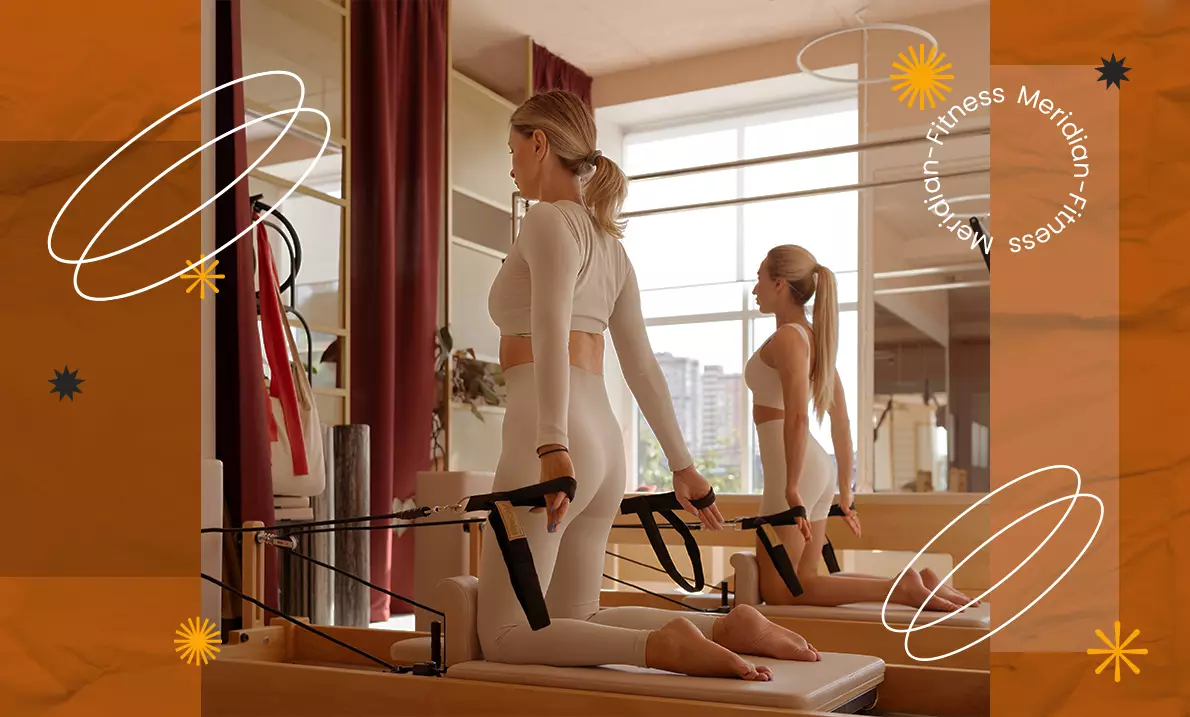
London’s fitness scene is packed with options. Yoga studios sit next to HIIT gyms. Spin classes compete with CrossFit boxes. And in the middle of this crowded market, reformer Pilates classes are booming.
Search trends show that more people are typing “reformer pilates classes near me” into Google than ever before. Some want a low-impact workout that still feels challenging. Others want to improve posture, reduce back pain, or build core strength without high-impact training.
But here is the problem.
London now has dozens of reformer Pilates studios, each offering different class styles, prices, and atmospheres. Some focus on slow, technical movement. Others deliver intense, sweat-heavy workouts. Prices vary. Class levels vary. Even the teaching styles vary.
So choosing the right reformer class is not just about finding the closest studio.
It is about finding the studio that fits your goals, your schedule, and your experience level.
This guide will help you understand:
If you’re searching for “reformer classes near me in London”, this guide will help you decide faster.
Reformer Pilates is a form of exercise performed on a specialised machine called a reformer.
The reformer machine includes:
Instead of using heavy weights, the machine creates resistance through springs and body control.
This makes reformer Pilates very different from traditional gym workouts.
Each movement focuses on slow, controlled motion rather than fast repetitions.
The goal is to strengthen the body while improving:
Because the resistance is adjustable, reformer Pilates can work for both beginners and advanced exercisers.
That is one reason the method has become so popular in large cities like London.
London has a fast lifestyle. Many people work long hours and sit at desks most of the day.
That creates common physical problems such as:
Reformer Pilates directly targets these issues. Many studios highlight similar benefits, including:
Another major advantage is low-impact training.
Unlike running or high-impact workouts, reformer Pilates places less stress on the joints.
That means people can train regularly without the same injury risk associated with intense gym workouts.
For people recovering from injury, managing chronic pain, or simply wanting a sustainable exercise routine, reformer Pilates becomes a strong option.
Not all reformer Pilates classes feel the same. Different studios design their classes around different training styles.
Understanding these styles helps you pick a studio that fits your preferences.
These classes focus on:
The atmosphere is usually calm and instructional.
These classes are often preferred by people who want deep muscle activation and careful technique.
Some studios combine reformer Pilates with a more energetic fitness environment.
These classes may include:
They are designed for people who enjoy a high-energy studio atmosphere.
Many studios offer beginner-friendly sessions.
These classes typically include:
They are ideal for anyone trying reformer Pilates for the first time.
Mixed-level classes include participants with different experience levels.
Instructors often provide movement modifications so both beginners and advanced students can train together.
However, beginners sometimes prefer dedicated introductory sessions first.
When searching “reformer classes near me,” people often pick the studio with the nicest website or the closest location.
But a better approach is to evaluate several important factors.
Your goal should guide your studio choice.
Ask yourself what you want from reformer Pilates.
Look for studios that clearly explain:
These studios often provide a smoother learning experience.
Some reformer studios emphasise a more energetic style.
These workouts may feel closer to a studio fitness class than traditional Pilates.
They can be great for people who want a challenging full-body workout.
A technique-focused studio may be better.
These studios often emphasise:
This style is ideal for people dealing with pain or posture problems.
One of the most common mistakes beginners make is choosing the wrong class level.
Different studios use different naming systems.
Common labels include:
If you are new to reformer Pilates, look for classes labelled:
Intermediate classes often assume you already understand machine setup and technique cues.
Starting too advanced can make the experience confusing and discouraging.
Location plays a huge role in long-term fitness habits.
In London, convenience often determines whether someone attends one class or builds a consistent routine.
Instead of asking only “Is this near me?”, consider:
The easiest studio to reach is usually the one you will attend consistently.
For those based in South East London, choosing Pilates classes in Greenwich can make it easier to build a consistent weekly routine. Meridian Fitness offers local Pilates options for people who want convenient access to structured, instructor-led sessions close to home or work.Consistency is more important than any single class.
Reformer Pilates is usually more expensive than standard gym classes.
The equipment is specialised, and class sizes are smaller.
Typical London pricing includes:
Monthly memberships may range between:
£200 – £350 per month
However, many studios offer introductory packages to help new clients try the classes.
Common intro offers include:
These starter packages make it easier to test a studio before committing to a larger membership.
When comparing studios, focus on:
A slightly more expensive studio may be worth it if the schedule fits your lifestyle better.
Many beginners compare studios based only on the price of one class.
But this is not always the smartest comparison.
The real question should be:
How much will your first month cost?
Intro packages often allow you to try multiple sessions for a reduced price.
This matters because reformer Pilates feels unfamiliar at first.
Most people need two or three sessions before the movements feel natural.
Intro packs allow you to:
By the end of the intro period, you can decide whether the studio fits your training style.
Many beginners feel nervous before their first session. But reformer Pilates classes are usually welcoming and structured.
Here is what typically happens.
Most studios recommend arriving 10–15 minutes early. This allows the instructor to introduce the machine and explain safety basics.
Clothing should allow instructors to see body alignment. Loose clothing can hide posture problems.
Common choices include:
Many reformer studios require Pilates grip socks. These socks prevent slipping on the equipment. Some studios sell them at reception.
Reformer Pilates is not chaotic or fast. Movements are usually:
Instructors may correct your posture during exercises. This is normal and helpful.
Corrections improve technique and prevent injury.
Reformer machines move differently from normal gym equipment. Your first class may feel unfamiliar. That is completely normal.
Most people begin to feel comfortable after two or three sessions.
Many new participants make small mistakes when starting reformer Pilates. Understanding these mistakes can improve your experience.
Jumping straight into advanced classes can make movements difficult to follow. Beginner sessions provide better guidance.
Reformer Pilates focuses on control and technique. Strength improvements happen gradually.
Consistency is more important than intensity.
Everyone progresses at a different speed. Focus on your own movement and improvement
Listening carefully to the instructor’s cues is essential. Small adjustments often make exercises far more effective.
If you are overwhelmed by search results, use this quick filtering process.
Remove studios that do not offer class times you can realistically attend.
If you are new, confirm the studio offers:
Look for packages that allow multiple sessions. This reduces risk while you explore different studios.
Choose a studio that fits easily into your routine. Convenience increases long-term consistency.
Look for comments about:
This process helps you shortlist two or three strong options quickly.
For most beginners, a realistic starting point is: 2 sessions per week
This allows your body to learn the movements while building strength. Some people eventually increase to 3–4 sessions per week.
But consistency matters more than frequency. It is better to attend two classes regularly than start with five and quit after two weeks.
Both forms of Pilates have benefits. Mat Pilates uses body weight and floor exercises. Reformer Pilates adds adjustable resistance through the machine.
Advantages of reformer Pilates include:
However, mat Pilates can still be effective for core strength and flexibility. Many people combine both methods.
Yes. Many studios offer beginner or intro sessions designed specifically for first-time participants. These classes introduce the equipment slowly and help new clients learn proper technique safely.
Prices vary by studio. Single classes usually cost between £25 and £40. Introductory offers often provide three classes for around £50.
Two sessions per week are a good starting point. This allows enough practice to learn the movements while giving the body time to recover.
Wear comfortable, fitted workout clothes that allow movement. Most studios require grip socks to prevent slipping on the reformer machine.
Searching “reformer classes near me in London” can produce dozens of results.
But the best studio is not always the closest one.
The right choice depends on several factors:
Instead of opening twenty browser tabs, use a simple process.
Choose two or three studios, try their intro offers, and see which environment feels right for you. Reformer Pilates becomes most effective when it fits naturally into your routine. Find a studio you enjoy, attend regularly, and the results will follow.